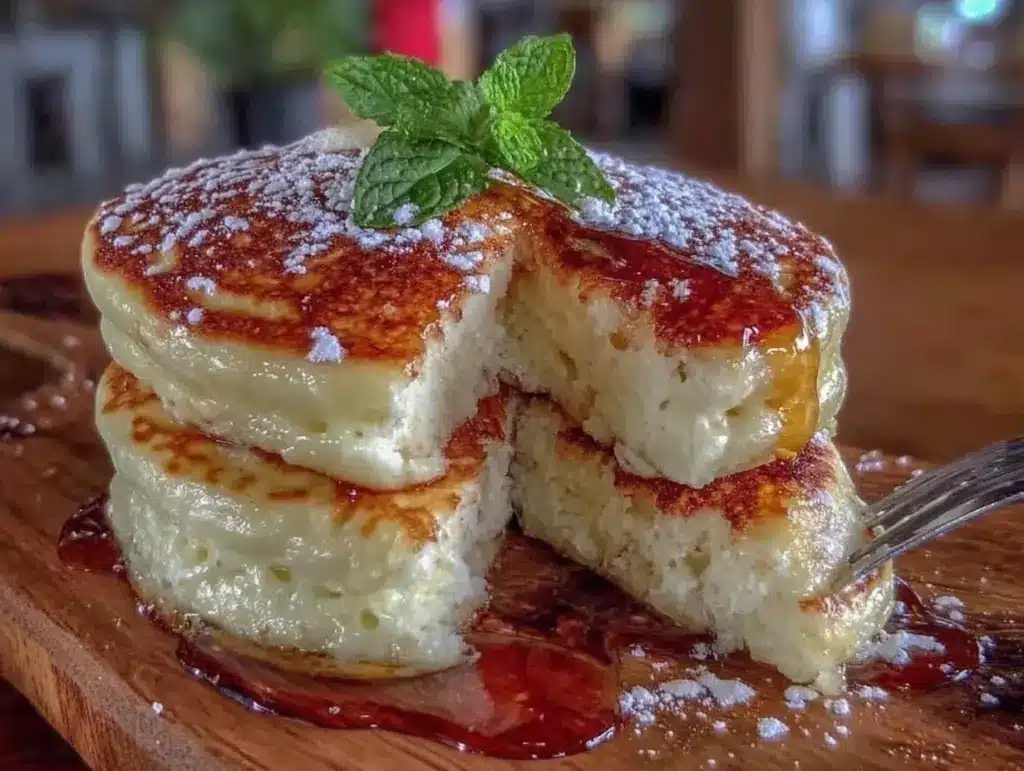
Last Saturday morning, I woke up with a craving that felt more like a mission. It wasn’t just for breakfast; it was for that specific, cloud-like texture you find in those high-end cafes in Tokyo. You know the ones. The ones where the pancakes are so tall they wobble when you sit down, and when you cut into them, they spring back like memory foam. I’ve spent the last three years trying to recreate that magic in my home kitchen. And let me tell you, it is not easy. It is not quick. But it is absolutely worth it.
My first attempt was a disaster. I followed a “quick hack” recipe online, and what came out of the pan looked like sad, dense hockey pucks. They tasted okay, sure, but they lacked that ethereal lightness. I felt defeated. I almost gave up and just ordered coffee and a croissant from the bakery down the street. But then I remembered my grandmother’s kitchen in Kyoto. She didn’t use shortcuts. She whisked egg whites by hand for twenty minutes until her arm ached, and she never rushed the cooking process. She taught me that patience is an ingredient.
So, I threw out the hacks. I went back to basics. I started making this Fluffy Japanese Souffle Pancakes recipe from scratch, testing it again and again. I learned how to fold the meringue without deflating it. I learned the exact heat needed to cook the inside without burning the outside. After twelve failed batches, I finally got it right. These pancakes are tall, jiggly, and impossibly soft. They are the real deal, the way they are meant to be made.
If you’ve ever struggled with Fluffy Japanese Souffle Pancakes turning out flat or rubbery, this is the guide you’ve been waiting for. I’m going to walk you through the exact steps, the specific tools you need, and the common pitfalls to avoid. This isn’t about speed; it’s about craft. And once you make these, you’ll understand why I’m obsessed. They are better than any cafe version I’ve ever tried.
Why You’ll Love This Recipe
There is something deeply satisfying about making these pancakes. It’s not just about the taste; it’s about the experience. Here’s why this Fluffy Japanese Souffle Pancakes recipe has taken over my weekends:
- Unbeatable Texture — These aren’t just fluffy; they are airy. The interior is moist and custard-like, while the outside has a delicate, golden crust. It’s a contrast that feels luxurious.
- Impressive Presentation — When you slide these out of the pan, they tower. They look like something you’d order for $15 at a brunch spot. Making them at home feels like a secret victory.
- Customizable Toppings — Because the base is so mild and slightly sweet, they are the perfect canvas. I love them with fresh berries, but they also pair beautifully with savory options if you’re feeling adventurous.
- From-Scratch Satisfaction — There’s no baking powder acting as a crutch here. The rise comes entirely from whipped egg whites. Knowing you achieved that height through technique alone is incredibly rewarding.
- Weekend Ritual — This recipe demands your attention. It forces you to slow down. In a world of grab-and-go breakfasts, spending 45 minutes making these feels like a treat for your soul.
This is my go-to when I want to impress guests or just treat myself to a slow, mindful morning. It’s comfort food elevated by technique.
Key Ingredients for Fluffy Japanese Souffle Pancakes
You don’t need fancy imports, but you do need precision. These pancakes rely on the quality and temperature of your ingredients. Here is exactly what you need:
Eggs (4 large eggs, separated) — This is the most critical component. The whites must be fresh and at room temperature. Cold eggs don’t whip to the same volume. I always take my eggs out of the fridge the night before. If you’re in a rush, you can place them in a bowl of warm water for 10 minutes.
Cake Flour (30g / ¼ cup + 1 tbsp) — Do not use all-purpose flour. Cake flour has less protein, which means less gluten development. Less gluten equals a softer, more tender crumb. If you can’t find cake flour, mix 30g of all-purpose flour with 6g of cornstarch. It’s not perfect, but it’s close.
Granulated Sugar (40g / ⅓ cup) — I use fine granulated sugar. It dissolves into the egg whites more easily than coarse sugar, creating a smoother, glossier meringue. This sweetness balances the mild flavor of the batter.
Milk (30ml / 2 tbsp) — Whole milk is best for richness. It adds moisture and helps create that custard-like interior. Don’t skip this; it’s what keeps the pancake from drying out.
Cornstarch (10g / 1 tbsp) — This is the secret weapon. Cornstarch tenderizes the batter further and helps stabilize the structure. It’s what gives these pancakes their signature “jiggle.”
Vanilla Extract (½ tsp) — Just a hint. You don’t want to overpower the delicate egg flavor. Use pure vanilla, not imitation.
Cream of Tartar (¼ tsp) — This is non-negotiable for Fluffy Japanese Souffle Pancakes. It stabilizes the egg whites, allowing them to hold their peak structure even when you fold in the flour. It prevents the meringue from collapsing.
Butter (1 tbsp) — For greasing the pan. You need a light hand here. Too much butter will cause the pancakes to slide around instead of sticking slightly to get their shape.
Tools Needed
You don’t need fancy equipment, but some things make the process much smoother. Here’s what I use:
Stand Mixer or Hand Mixer — Whipping egg whites by hand is possible, but it’s exhausting and inconsistent. I use my stand mixer with the whisk attachment. It gives me that glossy, stiff peak every time. If you don’t have one, a robust hand mixer works fine.
Two Large Bowls — One for yolks, one for whites. Make sure they are completely clean and dry. Even a tiny drop of yolk or water in the white bowl can prevent the whites from whipping properly.
Silicone Spatula — You need a flexible spatula to fold the batter gently. A rigid spoon will deflate your hard work. I have a set of different sizes, but a medium-sized silicone spatula is perfect for this.
Small Non-Stick Frying Pan — I use a 4-inch (10cm) non-stick pan. This size is crucial. It allows the pancakes to cook evenly without burning the edges. A large pan will result in thin, flat pancakes, not tall souffles.
Pancle Rings or Muffin Tin — To keep them tall, you need structure. I use metal panc rings placed directly in the pan. If you don’t have those, you can use a muffin tin, but the rings give you better control over the shape.
How to Make Fluffy Japanese Souffle Pancakes
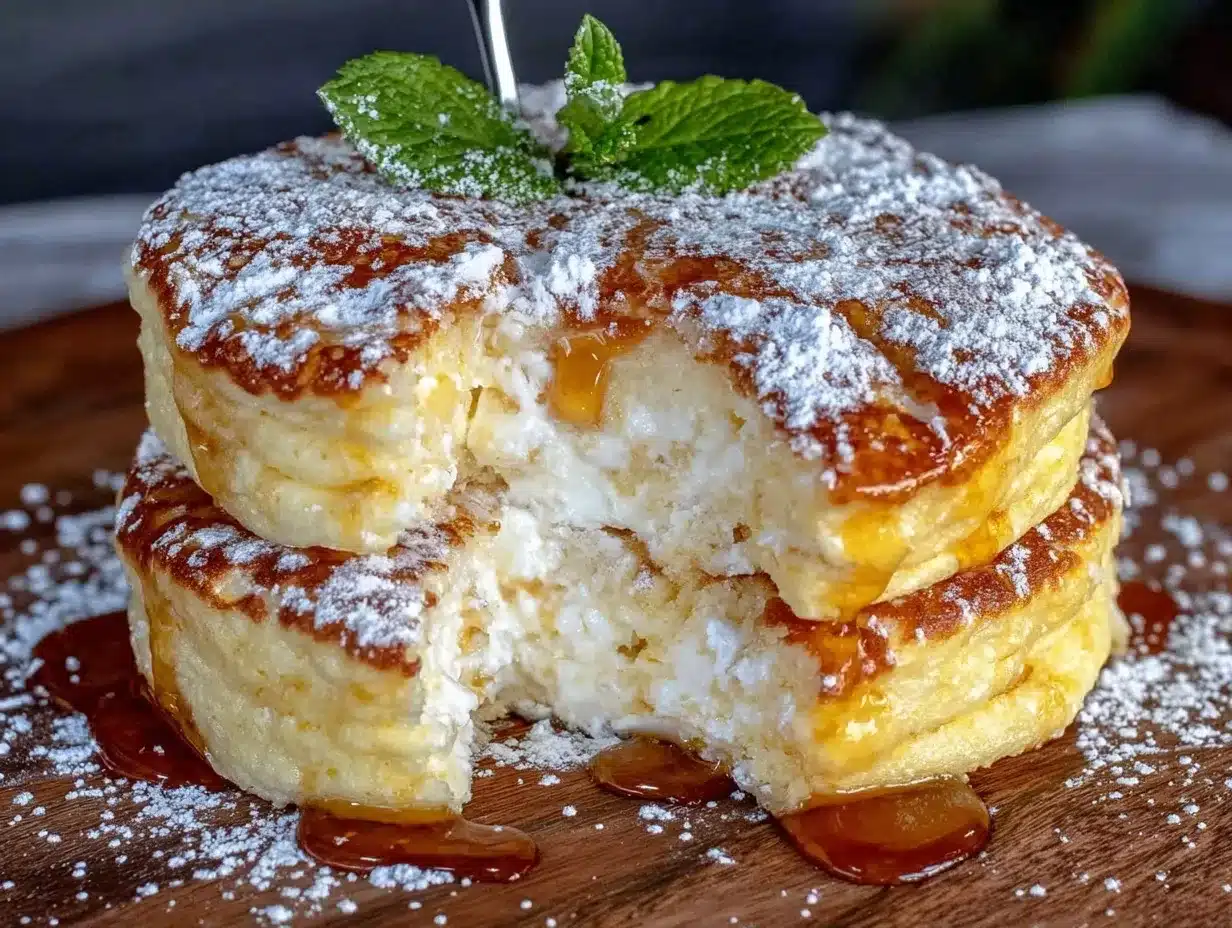
Let’s get into the nitty-gritty. This process requires patience, but the steps are straightforward if you follow them carefully. Total time is about 45 minutes, but most of that is passive cooking time.
Step 1: Prepare the Egg Yolks (5 minutes)
Separate your eggs carefully. Place the whites in a clean, dry bowl and the yolks in another. Add the milk, vanilla extract, and cornstarch to the yolks. Whisk until smooth. Sift in the cake flour and whisk again until there are no lumps. The batter should be thick and smooth. Set this aside. It will look like a thick paste.
Step 2: Whip the Egg Whites (3-4 minutes)
Add the cream of tartar to the egg whites. Using your mixer, start on medium speed. Once the whites become frothy, gradually add the sugar, one tablespoon at a time. Increase speed to high and whip until you reach stiff, glossy peaks. This is critical. When you lift the whisk, the peaks should stand straight up without drooping. If they droop, keep whipping. This usually takes 3-4 minutes with a mixer. This meringue is the engine that drives the rise.
Step 3: Fold the Batter (2 minutes)
Take about one-third of the meringue and mix it vigorously into the yolk batter. This lightens the dense yolk mixture. Then, gently fold in the remaining meringue. Use a spatula to cut down through the center, sweep across the bottom, and fold over the top. Rotate the bowl. Stop as soon as the white streaks disappear. Do not overmix. You want to keep as much air in the batter as possible. If you mix too long, the pancakes will be flat.
Step 4: Cook the Pancakes (15-20 minutes)
Heat your small non-stick pan over very low heat. Add a tiny amount of butter and swirl to coat. Place your panc rings in the pan. Spoon the batter into the rings, filling them about ¾ full. Cover the pan with a lid. This is the most important step. The lid traps steam, which cooks the inside without burning the outside. Cook for 6-7 minutes. Do not open the lid! After 6 minutes, check if the top looks set. If it’s still liquidy, cook for another minute. Once set, gently remove the rings.
Step 5: Flip and Finish (5-7 minutes)
This is the scary part. Use a spatula to gently flip the pancake. It should hold its shape. Cook the other side for 5-7 minutes with the lid on. The second side doesn’t need to brown much; it just needs to cook through. Once done, slide them onto a plate. They should be tall, golden on the edges, and incredibly soft.
Total time: 45 minutes. Yield: 4-6 pancakes.
Expert Tips from a Souffle Pancake Addict
Here’s everything I learned from making these too many times. These tips separate the good from the great.
The Meringue Must Be Perfect
This is the #1 reason people fail. If your egg whites aren’t at stiff, glossy peaks, your pancakes will deflate. I’ve made this mistake twice, and the result was flat disks. Use the cream of tartar. It’s cheap insurance for success. Also, ensure your bowl is completely grease-free. Any oil will kill the whip.
Low and Slow is the Only Way
I tried cooking these on medium heat once. The outside burned, and the inside remained raw. You must use the lowest heat setting on your stove. If your stove runs hot, use a heat diffuser. The steam needs time to penetrate the center. Rushing this step ruins the texture.
Don’t Skip the Lid
The lid is not optional. It creates a mini-oven environment. Without it, the top will dry out and crack, and the inside won’t cook. Keep the lid on for the entire cooking process. Opening it releases the steam and drops the temperature, which can cause collapse.
Serve Immediately
These pancakes are best eaten right off the plate. They start to deflate as they cool. If you’re making them for guests, plan your timing carefully. Make the batter, cook them one by one, and serve immediately. They are a performance dish.
Common Problems & Solutions
Pancakes are dense: You overmixed the batter or your meringue wasn’t stiff enough. Fold gently and whip longer.
Pancakes are raw in the middle: The heat was too high or you didn’t cook them long enough. Lower the heat and extend cooking time.
Pancakes spread out: Your pan is too large or the batter was too thin. Use smaller rings and ensure your batter is thick.
Recipe Variations for Fluffy Japanese Souffle Pancakes
Once you’ve nailed the basic version, here’s how to mix it up. These pancakes are versatile.
Berry Bliss
Add a handful of fresh blueberries or raspberries to the batter right before spooning it into the rings. The berries burst during cooking, creating pockets of juicy sweetness. I love this with a dollop of whipped cream.
Chocolate Dream
Fold 2 tablespoons of cocoa powder into the yolk batter. It turns the pancakes a rich brown color and adds a deep chocolate flavor. Top with chocolate shavings and strawberries.
Matcha Green Tea
Replace 1 tablespoon of cake flour with matcha powder. The earthy bitterness of the tea balances the sweet meringue perfectly. This is a traditional Japanese pairing.
Gluten-Free Option
You can use a 1:1 gluten-free flour blend instead of cake flour. The texture might be slightly less tender, but it still works well. Just ensure your cornstarch is certified gluten-free.
Serving & Storage
Serving:
I serve these warm, stacked high on a plate. Top them with powdered sugar, fresh seasonal berries, a drizzle of maple syrup, and a scoop of vanilla ice cream. The contrast of the warm pancake and cold ice cream is divine. They pair wonderfully with a hot cup of black coffee or a fresh berry trifle if you want to go all out on the dessert front.
Storage:
Honestly, these do not store well. They are best eaten immediately. If you must store leftovers, keep them in an airtight container in the refrigerator for up to 2 days. Reheat them gently in a microwave for 10-15 seconds. They will lose some of their fluffiness, but they are still edible. They do not freeze well because the texture becomes rubbery upon thawing.
Nutrition Information
I’m not a nutritionist, but here’s the breakdown per serving (2 pancakes):
| Nutrient | Amount |
|---|---|
| Calories | 220 |
| Protein | 8g |
| Carbs | 28g |
| Fiber | 1g |
| Fat | 9g |
| Sodium | 120mg |
My Take:
These are indulgent. They are sweet, rich, and definitely not a diet food. But they are better than any processed pastry. You know exactly what’s in them: eggs, flour, sugar, and milk. It’s a treat, so enjoy it guilt-free.
Final Thoughts
Making Fluffy Japanese Souffle Pancakes is more than just cooking; it’s a meditation. It teaches you to slow down, to pay attention to details, and to appreciate the beauty of simple ingredients transformed by technique. I’ve made these dozens of times, and they never get old. There is a specific joy in watching them rise in the pan, waiting for that moment when you flip them, and then tasting that first, airy bite.
If you try this recipe, I want to hear about it. Did you add berries? Did you struggle with the meringue? Drop a comment below! I love hearing how it turns out in your kitchen. And if you need another comforting breakfast idea, check out my fluffy ricotta lemon pancakes for a citrusy twist.
Happy cooking!
FAQs
Q: Can I make these ahead of time?
A: No. The magic of these pancakes is in their fresh, airy texture. They deflate quickly as they cool. It’s best to make them right before you eat them. If you must prep, you can whip the meringue and mix the batter up to 30 minutes in advance, but cook them immediately after.
Q: Why did my pancakes turn out flat?
A: This usually happens for two reasons. First, your egg whites weren’t whipped to stiff peaks. Second, you overmixed the batter when folding in the meringue, deflating the air bubbles. Make sure your bowl is grease-free and fold gently.
Q: Can I use all-purpose flour instead of cake flour?
A: You can, but the texture will be denser. Cake flour has less protein, which creates a tender crumb. If you only have all-purpose flour, mix 30g of all-purpose flour with 6g of cornstarch to mimic cake flour. It’s not identical, but it’s the best substitute.
Q: How do I keep the pancakes from sticking to the pan?
A: Use a high-quality non-stick pan. Lightly grease it with butter, but don’t use too much. If the pan is too greasy, the pancakes will slide around and spread out instead of holding their shape. A little butter is enough.
Q: Can I add chocolate chips to the batter?
A: Yes! Chocolate chips add a nice crunch and sweetness. Just sprinkle a few on top of the batter right after you spoon it into the rings, before you put the lid on. They will melt slightly into the pancake as it cooks.
Pin This Recipe!
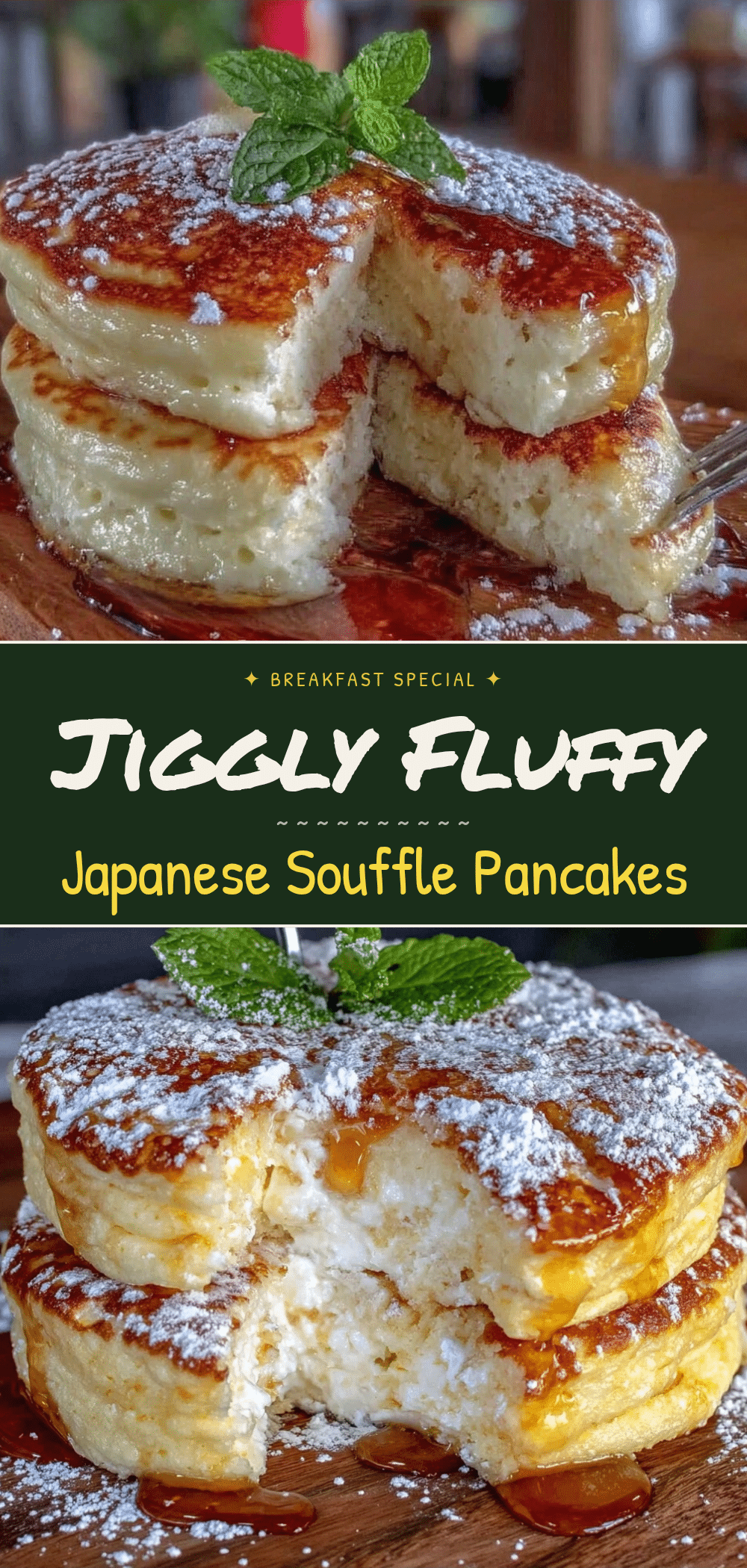
Fluffy Japanese Souffle Pancakes
- Total Time: 45 minutes
- Yield: 4-6 pancakes 1x
Description
These tall, jiggly, and impossibly soft Japanese soufflé pancakes are made from scratch using a meringue technique for an airy, custard-like texture that rivals high-end Tokyo cafes.
Ingredients
- 4 large eggs, separated (room temperature)
- 30g (¼ cup + 1 tbsp) cake flour
- 40g (⅓ cup) granulated sugar
- 30ml (2 tbsp) whole milk
- 10g (1 tbsp) cornstarch
- ½ tsp vanilla extract
- ¼ tsp cream of tartar
- 1 tbsp butter (for greasing pan)
Instructions
- Separate eggs, placing whites in a clean, dry bowl and yolks in another.
- Whisk milk, vanilla extract, and cornstarch into the egg yolks until smooth.
- Sift in cake flour and whisk until no lumps remain; set aside.
- Add cream of tartar to egg whites and whip on medium speed until frothy.
- Gradually add sugar, one tablespoon at a time, then increase speed to high.
- Whip until stiff, glossy peaks form (whisk should stand straight up without drooping).
- Vigorously mix one-third of the meringue into the yolk batter to lighten it.
- Gently fold in the remaining meringue using a spatula until just combined; do not overmix.
- Heat a small non-stick pan over very low heat and lightly grease with butter.
- Place panc rings in the pan and spoon batter in, filling ¾ full.
- Cover with a lid and cook for 6-7 minutes until the top looks set.
- Gently remove rings, flip the pancakes, and cook the other side for 5-7 minutes with the lid on.
- Serve immediately while tall and soft.
Notes
Ensure egg whites are at room temperature and bowls are completely grease-free for proper whipping. Cook on very low heat to prevent burning while ensuring the inside cooks through. The lid is essential to trap steam. These pancakes are best served immediately as they deflate as they cool.
- Prep Time: 15 minutes
- Cook Time: 30 minutes
- Category: Breakfast
- Cuisine: Japanese
Nutrition
- Serving Size: 2 pancakes
- Calories: 220
- Sugar: 20
- Sodium: 120
- Fat: 9
- Saturated Fat: 3
- Carbohydrates: 28
- Fiber: 1
- Protein: 8
Keywords: Japanese pancakes, soufflé pancakes, fluffy pancakes, breakfast recipe, from scratch pancakes, Japanese breakfast


