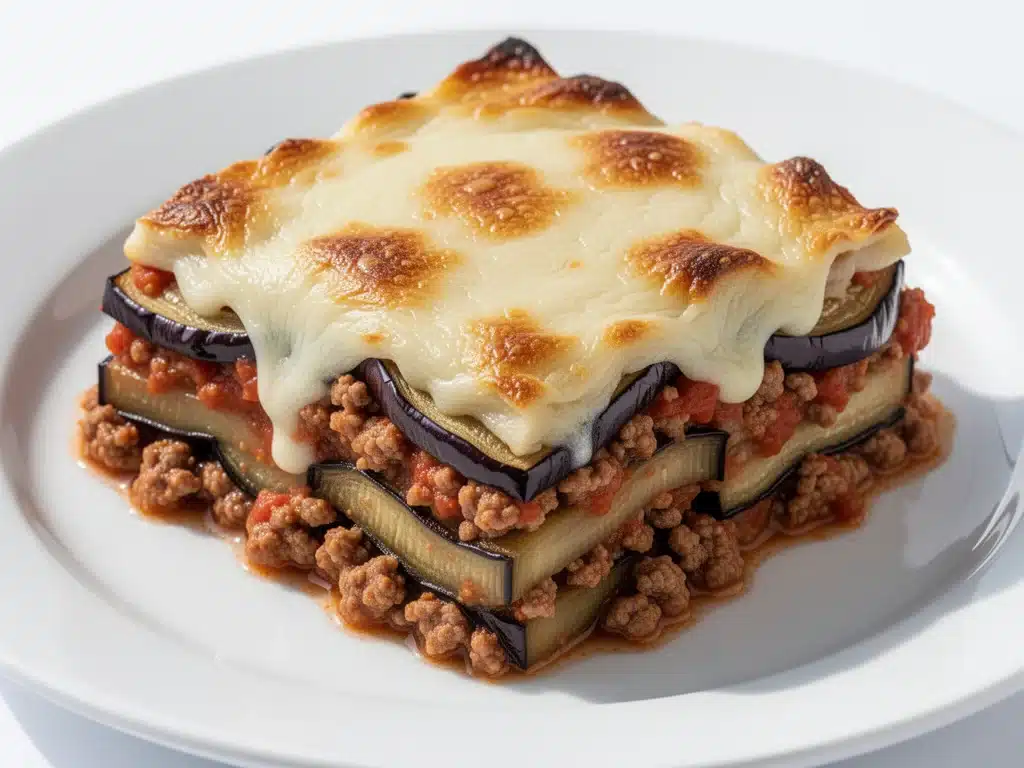
I still remember the smell of my grandmother’s kitchen on Sundays. It wasn’t just the smell of coffee or the lavender soap she used to clean the counters. It was something deeper, heavier, and infinitely more comforting. It was the scent of eggplants frying in olive oil, garlic sautéing in butter, and a bechamel sauce bubbling away in the oven. My grandmother, Yiayia Elena, never wrote down her recipes. Everything was “a pinch of this,” “a handful of that,” and “until it looks right.” For years, I tried to replicate that magic, and honestly? I failed. A lot. I had dry eggplant. I had runny sauce. I had a meat filling that tasted like canned tomatoes and regret.
But after three years of trial, error, and about a dozen ruined casseroles, I finally cracked the code. This authentic Greek moussaka with bechamel isn’t just a recipe; it’s a love letter to every Sunday dinner I spent at her table. It’s the dish that brings my whole family to the table, stopping their conversations just to wait for the first bite. It’s rich, it’s layered, and it’s absolutely worth the effort.
What makes this version stand out isn’t just the traditional ingredients—it’s the technique. I’ve learned exactly how to salt and drain the eggplant so it doesn’t soak up a gallon of oil. I’ve figured out the perfect ratio of spices for the lamb filling so it tastes like it simmered for hours, not minutes. And I’ve mastered the bechamel so it sets into that golden, custard-like crust that breaks when you cut into it. If you’ve ever been intimidated by this classic Greek dish, let me assure you: it’s easier than it looks, and the result is restaurant-quality. It’s the ultimate comfort food, and once you taste it, you’ll understand why it’s been a staple in Greek households for generations.
Why You’ll Love This Authentic Greek Moussaka
Look, I know what you’re thinking. “Moussaka? That’s a lot of work for one casserole.” And yeah, it takes a bit of time. But here’s the thing: it’s mostly hands-off cooking. While the eggplant roasts and the meat simmers, you’re free to chat, drink a glass of wine, or actually relax. And the payoff? Incredible.
Here’s why this recipe has earned a permanent spot in our weekly rotation:
Layers of Flavor — This isn’t just a stack of ingredients. It’s a harmony. You get the earthiness of the eggplant, the savory richness of the spiced lamb, and the creamy, cheesy bechamel. Every bite has a different texture and flavor profile. It’s complex but balanced.
Perfect for Meal Prep — Moussaka actually tastes better the next day. The flavors meld together in the fridge, making it even more cohesive. I often make this on Sunday and eat it for lunch all week. It reheats beautifully in the oven or even in the microwave (though the oven gives you that crispy top back).
Impressive but Approachable — Serve this at a dinner party, and everyone will think you’re a genius. It looks sophisticated and tastes like you spent hours in the kitchen. But really, you just followed a few simple steps. It’s the perfect dish to show off without stressing yourself out.
Uses Simple Ingredients — You don’t need fancy, hard-to-find items. Just good olive oil, fresh herbs, ground lamb (or beef), and basic pantry staples. If you can make a tomato sauce and a white sauce, you can make this.
Family-Approved — My kids, who usually pick at everything, ask for seconds. My husband says it’s the best thing I’ve ever made. Even my picky eater aunt, who claims to know everything about Greek food, gave this recipe her seal of approval.
This is my go-to when I want to make something special that brings people together. It’s hearty, it’s flavorful, and it’s just plain delicious.
Ingredients You’ll Need for Authentic Greek Moussaka
Before we dive into the steps, let’s talk about what goes into this dish. I’m particular about a few things here, because small details make a huge difference in the final taste. You don’t need anything exotic, but you do need quality ingredients.
For the Eggplant Layers:
Eggplants (2 large, about 2 pounds / 900g) — Look for firm, smooth eggplants. They should feel heavy for their size. If they’re soft or shriveled, skip them. I prefer to slice them lengthwise into ½-inch thick planks.
Vegetable Oil or Olive Oil (½ cup / 120ml) — For brushing the eggplant. I use a mix of both. Extra virgin olive oil has a stronger flavor, so I use regular olive oil for high-heat roasting to avoid burning.
Salt (1 tablespoon / 15g) — For drawing out moisture from the eggplant. This is crucial to prevent a watery moussaka.
For the Spiced Lamb Filling:
Ground Lamb (1.5 pounds / 700g) — This is the traditional choice. Lamb has a distinct, rich flavor that pairs perfectly with the spices. If you can’t find lamb, ground beef is a fine substitute, but lamb is best. I like an 80/20 fat ratio for flavor.
Yellow Onion (1 medium, finely diced / about 150g) — Sweetness and depth. I use yellow because it caramelizes well.
Garlic (4 cloves, minced / about 2 tablespoons) — Fresh garlic only. No jarred stuff here. It makes a world of difference.
Crushed Tomatoes (1 can / 14 oz / 400g) — Use good quality San Marzano tomatoes if you can find them. They’re sweeter and less acidic.
Red Wine (½ cup / 120ml) — Dry red wine like Cabernet or Merlot. It deglazes the pan and adds depth. You can substitute with beef broth if you prefer non-alcoholic.
Cinnamon (1 teaspoon / 2g) — This is the secret weapon. Greek cuisine loves cinnamon in savory dishes. It adds warmth and complexity.
Dried Oregano (1 teaspoon / 1g) — Earthy and aromatic. I use Greek oregano if I can find it, but regular dried oregano works fine.
Bay Leaf (1 leaf) — Adds a subtle herbal note. Remove it before serving.
Black Pepper (½ teaspoon / 1g) — Freshly cracked is best.
Sugar (1 teaspoon / 5g) — Just a pinch to balance the acidity of the tomatoes. It’s optional but recommended.
For the Bechamel Sauce:
Unsalted Butter (4 tablespoons / 60g) — Don’t skimp on the butter. It’s the base of the sauce.
All-Purpose Flour (¼ cup / 30g) — To thicken the sauce.
Whole Milk (3 cups / 720ml) — Warm milk helps prevent lumps. I microwave it for 30 seconds before adding.
Egg Yolks (3 large yolks) — This gives the bechamel its rich, custard-like texture. Whisk them with a little milk first to temper them.
Grated Kefalotyri or Pecorino Romano Cheese (1 cup / 100g) — Kefalotyri is traditional, but Pecorino Romano is a great substitute. It’s salty and sharp, which cuts through the richness of the sauce.
Nutmeg (¼ teaspoon freshly grated) — A pinch of nutmeg is classic in bechamel. It adds a warm, nutty flavor.
Salt (to taste) — Be careful, as the cheese is already salty.
Optional Add-ins:
Feta Cheese (½ cup crumbled) — Some people like to sprinkle feta between the layers for extra tang. I don’t usually do this, but it’s a nice variation.
Pine Nuts (¼ cup) — Toasted pine nuts on top before baking add a lovely crunch. I love this addition.
Equipment Needed for Moussaka
You don’t need a fancy kitchen to make this. Here’s what I actually use:
Large Baking Dish — A 9×13 inch (23×33 cm) ceramic or glass baking dish is perfect. It needs to be deep enough to hold all the layers. I use a Pyrex dish that’s been with me for years.
Large Skillet or Dutch Oven — For cooking the meat filling. A 12-inch skillet works well. If you’re making a large batch, a Dutch oven is better because it holds heat evenly.
Baking Sheet — For roasting the eggplant. I line it with parchment paper for easy cleanup.
Whisk — Essential for the bechamel. You need a good whisk to keep the sauce smooth and lump-free.
Box Grater — For grating the cheese and nutmeg. Freshly grated nutmeg is so much better than pre-ground.
Sharp Knife — For slicing the eggplant. A serrated knife can help if the eggplant is slippery.
Measuring Cups and Spoons — For accuracy, especially with the flour and spices.
Slotted Spoon — For draining the eggplant after salting.
How to Make It: Step-by-Step
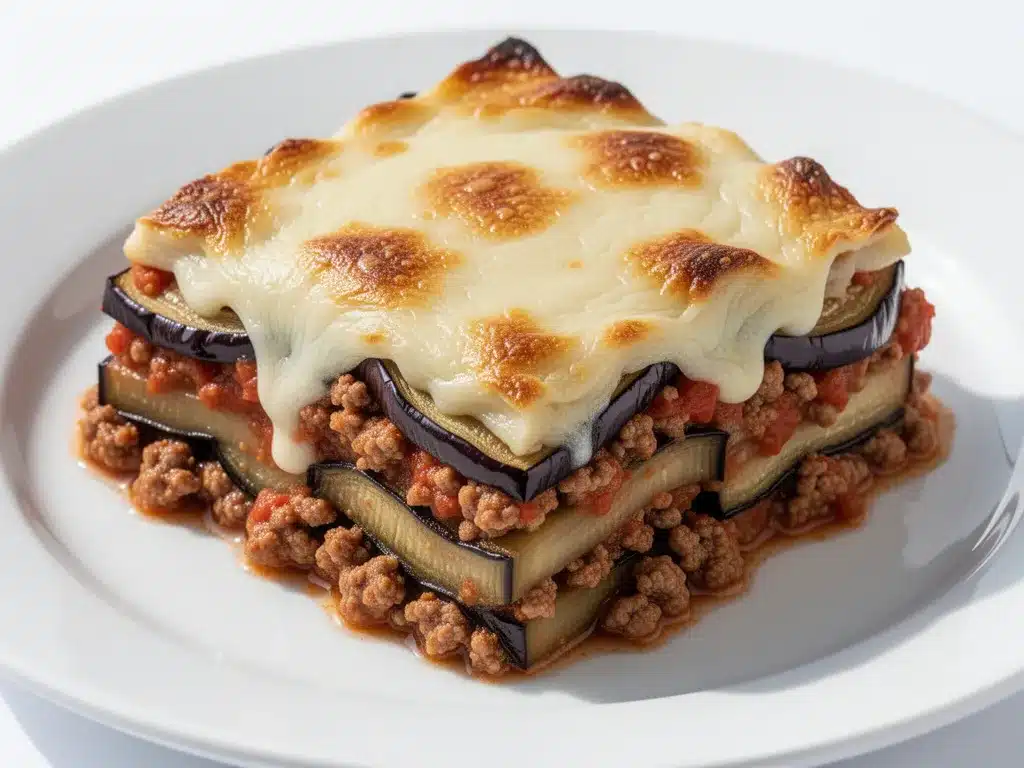
Alright, let’s make this! I’m walking you through exactly how I do it, including the little tricks I’ve picked up over the years.
Step 1: Prep the Eggplant (15 minutes)
Preheat your oven to 400°F (200°C). Slice the eggplants lengthwise into ½-inch thick planks. Sprinkle both sides generously with salt. Place them on a baking sheet or in a colander and let them sit for 20-30 minutes. This draws out the bitter juices and excess moisture. After 20 minutes, rinse the eggplant under cold water and pat it completely dry with paper towels. This step is non-negotiable if you want a firm, non-greasy moussaka.
Step 2: Roast the Eggplant (20-25 minutes)
Brush both sides of the eggplant planks with olive oil. Arrange them in a single layer on the baking sheet. Roast in the preheated oven for 20-25 minutes, flipping halfway through, until they are tender and lightly golden. They should be soft enough to bend but not mushy. Remove from the oven and set aside. You can partially cover them with foil to keep them warm.
Step 3: Cook the Meat Filling (20 minutes)
While the eggplant roasts, heat a large skillet over medium-high heat. Add a splash of olive oil and the ground lamb. Break it up with a wooden spoon and cook until browned, about 5-7 minutes. Drain any excess fat if there’s too much. Add the diced onion and cook for 3-4 minutes until softened. Add the minced garlic, cinnamon, oregano, and black pepper. Cook for 1 minute until fragrant. Pour in the red wine and let it simmer for 2 minutes to reduce. Add the crushed tomatoes, bay leaf, and sugar. Stir well, reduce heat to low, and let it simmer for 15-20 minutes until the sauce thickens. Remove the bay leaf and taste for seasoning. It should be rich and savory.
Step 4: Make the Bechamel Sauce (15 minutes)
In a medium saucepan, melt the butter over medium heat. Whisk in the flour and cook for 1-2 minutes, stirring constantly, until it turns a light golden color (this is a roux). Do not let it burn. Gradually whisk in the warm milk, a little at a time, to prevent lumps. Continue whisking until the sauce thickens and comes to a gentle simmer. Remove from heat and let it cool for a minute. In a small bowl, whisk the egg yolks with a splash of the warm milk to temper them. Slowly whisk the yolk mixture back into the sauce. Stir in the grated cheese, nutmeg, and salt. The sauce should be thick and creamy.
Step 5: Assemble the Moussaka (10 minutes)
Preheat your oven to 350°F (175°C). Spread a thin layer of the meat filling on the bottom of the 9×13 inch baking dish. Arrange a layer of roasted eggplant planks over the meat, slightly overlapping them. Spread another layer of meat filling over the eggplant. Repeat with another layer of eggplant and the remaining meat filling. You should end with a layer of eggplant on top.
Step 6: Add the Bechamel and Bake (45-50 minutes)
Pour the bechamel sauce evenly over the top layer of eggplant. Use a spatula to spread it smoothly to the edges. If you’re using pine nuts, sprinkle them over the top. Bake in the preheated oven for 45-50 minutes, until the top is golden brown and bubbling. If the top starts to brown too quickly, cover it loosely with foil.
Step 7: Rest and Serve (20 minutes)
Once out of the oven, let the moussaka rest for at least 20 minutes before cutting. This is crucial! If you cut it immediately, it will fall apart. The resting time allows the layers to set and the flavors to meld. Slice into squares and serve warm. Garnish with fresh parsley if you like.
Expert Tips & Tricks for Perfect Moussaka
Here’s everything I’ve learned from making this dozens of times. These tips will save you from my mistakes.
Don’t Skip the Salting
I know it takes extra time, but salting the eggplant removes bitterness and prevents the final dish from being watery. It’s the difference between a dry, greasy moussaka and a perfect one. I learned this the hard way when my first attempt was a soup.
Warm the Milk for Bechamel
Adding cold milk to a hot roux can cause lumps. Warm the milk in the microwave for 30 seconds before adding it to the butter-flour mixture. It ensures a silky smooth sauce.
Temper the Egg Yolks
Never add egg yolks directly to hot sauce. They will scramble. Always whisk a little of the hot sauce into the yolks first to raise their temperature gradually, then whisk that back into the main sauce.
Let It Rest
This is the hardest part, I know. But cutting into hot moussaka is a recipe for disaster. The layers will slide apart. Let it rest for at least 20 minutes. It’s worth the wait.
Use Good Olive Oil
Since olive oil is a key flavor component, use a good quality extra virgin olive oil for brushing the eggplant. It adds a fruity, peppery note that elevates the dish.
Common Mistakes (and how to avoid them):
Mistake: Watery Moussaka
Fix: Make sure you salt and drain the eggplant properly. Also, cook the meat filling until it’s thick and not watery before assembling.
Mistake: Lumpy Bechamel
Fix: Whisk constantly when adding milk. If you get lumps, strain the sauce through a fine-mesh sieve before pouring it over the moussaka.
Mistake: Dry Eggplant
Fix: Don’t over-roast the eggplant. It should be tender but still hold its shape. Overcooked eggplant turns to mush.
Variations & Substitutions
Once you’ve nailed the basic version, here’s how you can mix it up. I’ve tried all of these.
Vegetarian Moussaka
Replace the lamb with lentils or mushrooms. Sauté 1 cup of brown lentils or 8oz of sliced mushrooms with the onions and spices. Lentils add a hearty texture that mimics meat well. I use this version when I want something lighter.
Beef Moussaka
If you can’t find lamb, ground beef is a great substitute. Use an 80/20 fat ratio for flavor. The taste will be slightly different, but still delicious. I use beef when I’m feeding a crowd and need something more familiar.
Cheese Variations
While Kefalotyri is traditional, you can use a mix of Parmesan and Pecorino Romano. Or add a layer of crumbled feta between the eggplant layers for extra tang. I like to sprinkle a little extra cheese on top before baking for a crispy crust.
Gluten-Free Option
Use gluten-free flour in the bechamel sauce. Make sure the rest of your ingredients are certified gluten-free. The rest of the recipe is naturally gluten-free.
Dairy-Free Option
Use vegan butter and plant-based milk for the bechamel. Add nutritional yeast instead of cheese for a savory, cheesy flavor. It’s not the same, but it’s a good alternative for those with dairy allergies.
Serving & Storage
How to Serve:
I usually serve this straight from the baking dish, sliced into squares. It’s perfect with a simple green salad or roasted vegetables. A glass of red wine pairs beautifully with the rich flavors. I also like to add a dollop of tzatziki on the side for a cool, creamy contrast.
Storage Instructions:
Refrigerator: Store leftovers in an airtight container for up to 4 days. The flavors actually improve after a day or two.
Reheating: Reheat in the oven at 350°F (175°C) for 15-20 minutes, covered with foil, until heated through. This keeps the bechamel creamy. You can also reheat individual portions in the microwave, but the texture may be slightly softer.
Freezing: Moussaka freezes well! Assemble the dish but don’t add the bechamel yet. Freeze the assembled layers for up to 3 months. When ready to eat, thaw overnight in the fridge, add the bechamel, and bake as directed. You can also freeze the fully baked moussaka. Slice into portions, wrap tightly in plastic wrap and foil, and freeze. Reheat in the oven at 350°F for 30-40 minutes.
Nutrition Information
I’m not a nutritionist, but here’s the breakdown if you’re tracking.
Per Serving (based on 8 servings):
- Calories: 450
- Protein: 22g
- Carbs: 35g
- Fiber: 6g
- Sugar: 8g
- Fat: 28g
- Saturated Fat: 12g
- Cholesterol: 95mg
- Sodium: 420mg
What’s Good: High in protein from the lamb and cheese. Good source of fiber from the eggplant. Rich in calcium from the bechamel.
What to Know: Higher in calories and fat due to the cheese and oil. Contains dairy and gluten. Use leaner meat and less oil to reduce calories.
My Take: Look, this is comfort food. It’s not a diet recipe. But it’s made with real ingredients and is way better than takeout. Enjoy it in moderation and savor every bite.
Final Thoughts
So that’s my authentic Greek moussaka with bechamel! I’ve probably talked your ear off at this point, but when you make a recipe this often, you have a lot to say about it. This dish has become my go-to for special occasions and family gatherings. It’s my answer to “what’s for dinner” when I want to make something impressive but comforting. My family loves it, and I hope you will too.
Make it yours! Try different cheeses, add your favorite vegetables, or adjust the spices to your taste. The best recipes are the ones you adapt to your family’s preferences. If you make this, drop a comment and let me know what you think! I love hearing how recipes turn out in your kitchen. And if something doesn’t work, tell me that too—I’m here to help troubleshoot.
Happy cooking! And I hope your kitchen smells half as good as mine does right now.
Frequently Asked Questions
Can I make moussaka ahead of time?
Yes! You can assemble the entire dish up to 24 hours in advance. Cover it tightly with plastic wrap and refrigerate. When ready to bake, let it sit at room temperature for 30 minutes, then bake as directed. You may need to add 5-10 minutes to the baking time if it’s cold from the fridge. This is actually my preferred method because it reduces stress on the day of serving.
Why is my moussaka watery?
This usually happens if you don’t salt and drain the eggplant properly, or if the meat filling isn’t cooked down enough. Make sure you pat the eggplant dry after rinsing, and cook the meat filling until it’s thick and not soupy. Also, let the moussaka rest for at least 20 minutes after baking to allow the layers to set.
Can I freeze moussaka?
Absolutely! Moussaka freezes very well. You can freeze it assembled but unbaked, or fully baked. Slice into portions for easy reheating. Thaw overnight in the fridge before baking or reheating. It maintains its texture and flavor surprisingly well.
What cheese is best for the bechamel?
Traditional Greek moussaka uses Kefalotyri or Graviera cheese. If you can’t find those, Pecorino Romano or Parmesan are great substitutes. They provide that salty, sharp flavor that balances the creamy sauce. Avoid mild cheeses like mozzarella, as they don’t have enough flavor.
Can I use zucchini instead of eggplant?
You can! Some people use a mix of eggplant and zucchini, or even just zucchini. Zucchini cooks faster than eggplant, so reduce the roasting time to 10-15 minutes. Be careful not to overcook it, as it can become mushy. The flavor will be slightly lighter, but still delicious.
How do I know when the bechamel is done?
The bechamel is done when it thickens enough to coat the back of a spoon and leaves a clear path when you run your finger through it. It should be smooth and creamy, not runny. If it’s too thick, add a splash of milk. If it’s too thin, cook it a bit longer.
Pin This Recipe!
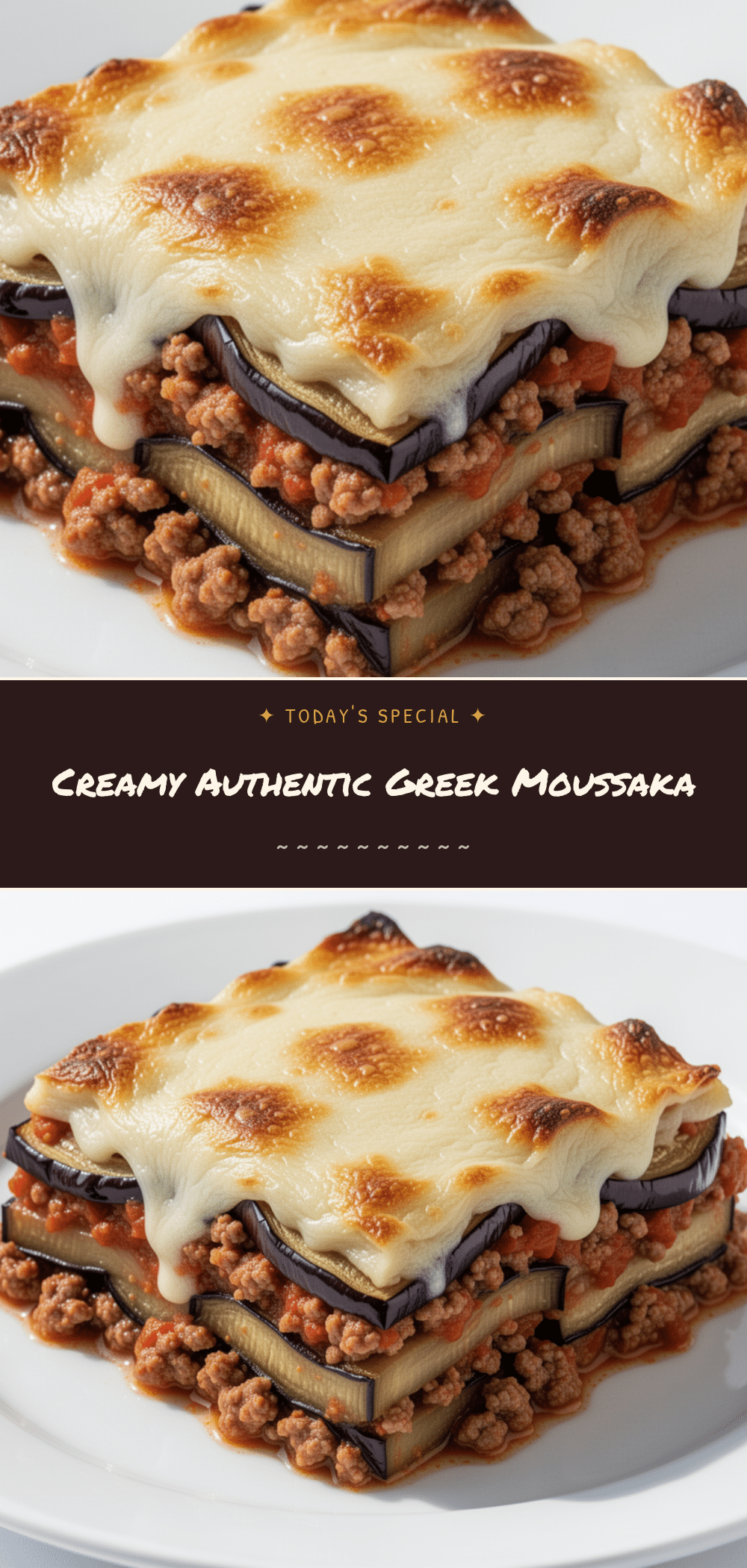
Authentic Greek Moussaka: Best 7-Step Recipe
- Total Time: 2 hours 25 minutes
- Yield: 8 servings 1x
Description
A rich, layered Greek casserole featuring roasted eggplant, spiced lamb filling, and a creamy, golden bechamel sauce. This recipe breaks down the traditional technique for a restaurant-quality comfort food.
Ingredients
- 2 large eggplants (about 2 pounds / 900g)
- 1/2 cup vegetable oil or olive oil (120ml)
- 1 tablespoon salt (15g)
- 1.5 pounds ground lamb (700g)
- 1 medium yellow onion, finely diced (150g)
- 4 cloves garlic, minced (2 tablespoons)
- 1 can crushed tomatoes (14 oz / 400g)
- 1/2 cup dry red wine (120ml)
- 1 teaspoon cinnamon (2g)
- 1 teaspoon dried oregano (1g)
- 1 bay leaf
- 1/2 teaspoon black pepper (1g)
- 1 teaspoon sugar (5g)
- 4 tablespoons unsalted butter (60g)
- 1/4 cup all-purpose flour (30g)
- 3 cups whole milk (720ml)
- 3 large egg yolks
- 1 cup grated Kefalotyri or Pecorino Romano cheese (100g)
- 1/4 teaspoon freshly grated nutmeg
- Salt to taste
Instructions
- Preheat oven to 400°F (200°C). Slice eggplants lengthwise into 1/2-inch planks, sprinkle with salt, and let sit for 20-30 minutes to draw out moisture.
- Rinse eggplant under cold water and pat completely dry with paper towels.
- Brush eggplant planks with oil and roast on a baking sheet for 20-25 minutes until tender and lightly golden. Set aside.
- In a large skillet, brown ground lamb over medium-high heat. Drain excess fat if necessary.
- Add diced onion and cook until softened. Add garlic, cinnamon, oregano, and pepper; cook for 1 minute.
- Deglaze with red wine and simmer for 2 minutes. Add crushed tomatoes, bay leaf, and sugar.
- Reduce heat to low and simmer meat filling for 15-20 minutes until thick. Remove bay leaf.
- In a saucepan, melt butter and whisk in flour to make a roux. Gradually whisk in warm milk until thickened.
- Remove from heat and temper egg yolks by whisking in a little hot sauce, then stir yolks back into the sauce.
- Stir in cheese, nutmeg, and salt to finish the bechamel.
- Preheat oven to 350°F (175°C). Assemble layers in a 9×13 inch dish: meat, eggplant, meat, eggplant.
- Pour bechamel over the top layer and spread evenly.
- Bake for 45-50 minutes until golden brown and bubbling.
- Let rest for at least 20 minutes before slicing to allow layers to set.
Notes
Salting and draining the eggplant is crucial to prevent a watery dish. Warm the milk for the bechamel to avoid lumps. Let the moussaka rest for 20 minutes after baking to ensure clean slices.
- Prep Time: 45 minutes
- Cook Time: 1 hour 40 minutes
- Category: Main Course
- Cuisine: Greek
Nutrition
- Serving Size: 1 square slice
- Calories: 450
- Sugar: 8
- Sodium: 420
- Fat: 28
- Saturated Fat: 12
- Carbohydrates: 35
- Fiber: 6
- Protein: 22
Keywords: Greek moussaka, eggplant casserole, lamb recipe, bechamel sauce, comfort food, traditional Greek cooking


