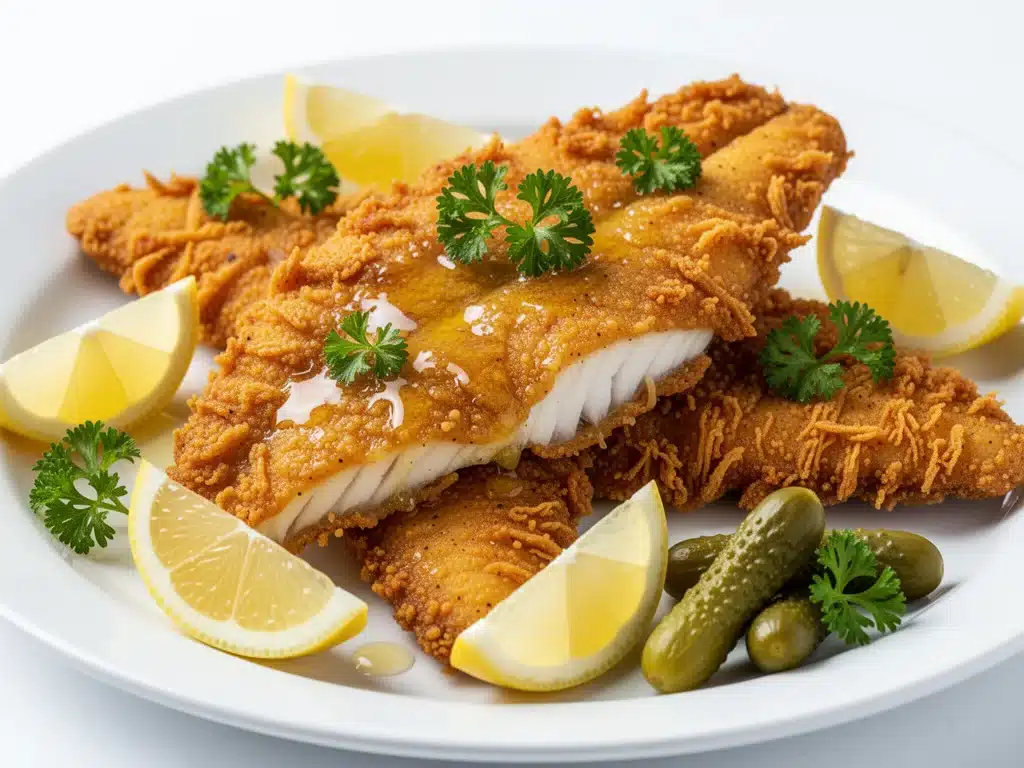
There was a specific Tuesday about three years ago when I almost ordered takeout. Again. It was 6:30 PM, the kids were already complaining about being hungry, and I was staring at a bag of frozen catfish fillets in the freezer that had been there since the last grocery run. I pulled it out, looked at it, and realized it was just going to be that soggy, fishy-tasting disaster we all know too well. I didn’t want to deal with the microwave, and I definitely didn’t want to order out for $25.
So I did what I always do when I’m desperate: I raided the pantry. I found some cornmeal, a jar of buttermilk, and a bottle of hot sauce that had been hiding in the back since 2021. I threw together a quick dredge, heated up the oil, and threw three fillets in the pan. The smell that filled the house within five minutes was so good my husband actually stopped complaining about work.
That night, we realized something important: we didn’t need expensive seafood or a complicated recipe. We just needed the right technique. That single night sparked a habit. Now, extra-crispy Southern fried catfish is our go-to weeknight dinner. It’s faster than delivery, costs a fraction of the price, and tastes like Sunday supper without the Sunday effort.
I’ve tested this method dozens of times—sometimes with tilapia, sometimes with cod, but mostly with catfish because it’s mild, affordable, and takes the seasoning beautifully. The secret isn’t in the fish; it’s in the crust. Get the crust right, and you’ve got dinner. Get it wrong, and you’ve got a greasy mess. I learned the hard way (lots of burnt oil and sad fillets later) how to get it perfectly right. This recipe is the result of all those mistakes.
Why You’ll Love This Recipe
Look, I get it. Frying food on a weeknight sounds like a lot of work. But hear me out. This extra-crispy Southern fried catfish is actually the easiest protein you’ll cook all week. Here’s why it’s become a staple in our house:
- It’s Stupidly Fast — Seriously. From thawing the fish to plating it takes about 20 minutes. The actual frying takes 4 minutes per side. I can get this on the table before the pizza delivery guy can find our house.
- Uses Pantry Staples — You don’t need a trip to the specialty store. Cornmeal, flour, buttermilk, spices. If you have these, you’re already halfway done. I keep cornmeal stocked specifically for nights like this.
- Kids Actually Eat It — My picky eater, who refuses to eat anything “green or fishy,” loves this. The crust is so crunchy they don’t even notice the mild flavor. It’s a win-win.
- Budget-Friendly — Catfish is one of the most affordable fish options. You can feed a family of four for under $15 if you shop smart. That’s cheaper than a single appetizer at a restaurant.
- Leftovers Are Surprisingly Good — Okay, fresh is best, but cold fried catfish with tartar sauce is a legitimate lunch option. I’ve made this for my husband’s packed lunches, and he prefers it over the sandwich he made that morning.
This isn’t just a recipe; it’s a lifesaver for busy evenings. It feels fancy, it tastes indulgent, but it requires zero advanced cooking skills. Just a little patience with the oil temperature.
Ingredients You’ll Need
Here’s the best part: the ingredient list is short. I’m particular about three things here, and I’ll tell you exactly why. You don’t need fancy spices or exotic ingredients. You just need quality basics.
For the Fish
Catfish fillets (2 pounds / 900g) — Look for farm-raised catfish if you can. It’s cleaner tasting and less “muddy” than wild-caught. I prefer fillets with the skin on because it helps hold the breading together, but skinless works too if you’re careful. Pat them dry! Wet fish is the enemy of crispiness.
Buttermilk (1 cup / 240ml) — This is non-negotiable. The acidity tenderizes the fish and helps the crust stick. If you don’t have buttermilk, mix 1 cup of milk with 1 tablespoon of white vinegar or lemon juice and let it sit for 10 minutes. It’s not quite the same, but it works in a pinch.
Eggs (2 large) — Just one egg, beaten, in the buttermilk. It acts as the glue for the breading. Don’t skip it.
For the Crust
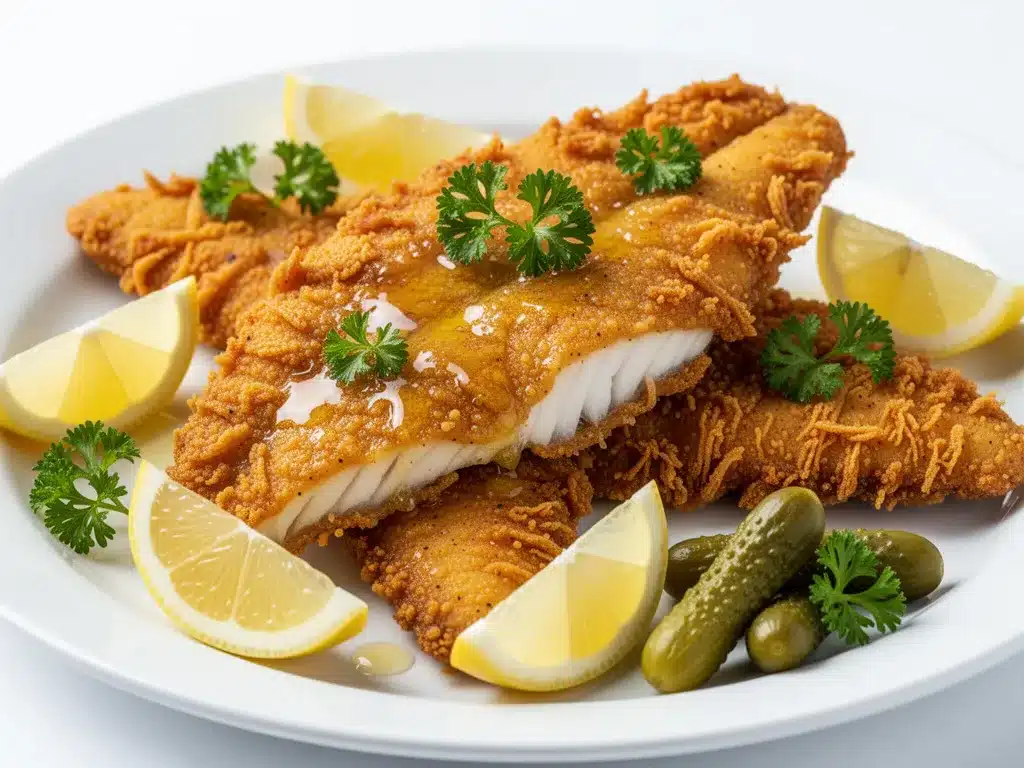
Cornmeal (1 cup / 120g) — This is what makes it “Southern.” Cornmeal gives that distinct, gritty crunch that flour alone can’t achieve. I use yellow cornmeal for color and flavor, but white works fine if that’s all you have. Don’t use fine cornmeal; you want a medium grind.
All-purpose flour (1 cup / 120g) — I mix flour with cornmeal to create a balanced crust. Pure cornmeal can sometimes fall off; the flour helps it adhere. A 50/50 split is my sweet spot.
Seasoning blend — This is where the magic happens. You’ll need:
- Smoked paprika (1 tablespoon) — Adds that deep, smoky flavor without actual smoke. I love the brand Smoked Paprika from the local spice shop.
- Garlic powder (1 teaspoon) — Fresh garlic burns too fast in hot oil. Powder gives you that garlic flavor without the risk.
- Onion powder (1 teaspoon) — Complements the garlic perfectly.
- Cayenne pepper (½ teaspoon) — Adjust based on heat preference. I use ½ teaspoon for a mild kick. If you like it hot, go to 1 teaspoon.
- Old Bay seasoning (1 teaspoon) — The classic Southern touch. If you don’t have it, use a mix of celery salt, paprika, and mustard powder.
- Salt (1 teaspoon) — Don’t skimp. The crust needs salt to taste good.
- Black pepper (½ teaspoon) — Freshly cracked is best.
For Frying
Vegetable oil (2-3 cups) — You need enough oil to come up about an inch in your pan. Vegetable oil, canola oil, or peanut oil work best because they have high smoke points. Do NOT use olive oil; it burns too easily and tastes bitter.
Equipment Needed
You don’t need fancy equipment for this. Here’s what I actually use.
Cast iron skillet — I swear by my 12-inch cast iron skillet. It holds heat incredibly well, which is crucial for keeping the oil temperature stable when you add the fish. If you don’t have cast iron, a heavy-bottomed stainless steel skillet works too. Avoid thin non-stick pans; they warp and create hot spots.
Deep frying thermometer — This is the most important tool you can buy for $10. Guessing oil temperature is how you end up with greasy or burnt fish. Clip it to the side of your pan. If you don’t have one, drop a pinch of cornmeal into the oil; if it sizzles immediately, it’s ready.
Wire rack and baking sheet — Place this next to your stove. Never put fried fish on paper towels; it steams the crust and makes it soggy. A wire rack lets air circulate, keeping it crispy.
Tongs — For flipping the fish. Forks poke holes and let the breading fall off. Tongs are gentle and secure.
Large mixing bowls — You’ll need one for the buttermilk wash and one for the dry breading. Two bowls make the assembly line smooth.
How to Make It: Step-by-Step
Alright, let’s make this! I’m walking you through exactly how I do it, including the little tricks I’ve picked up over the years.
Step 1: Prep the Fish (5 minutes)
Take your catfish fillets out of the package. If they’re frozen, make sure they’re completely thawed. Pat them completely dry with paper towels. I mean completely. Any moisture will cause the oil to splatter and the breading to slide off. Cut large fillets in half if they’re too big to fit in your pan. Season the raw fish lightly with salt and pepper.
Step 2: Set Up Your Dredging Station (5 minutes)
Get two wide, shallow bowls. In the first bowl, whisk together the buttermilk and the beaten egg. In the second bowl, whisk together the cornmeal, flour, and all your spices (paprika, garlic powder, onion powder, cayenne, Old Bay, salt, pepper). Make sure the spices are evenly distributed in the dry mix.
Step 3: Heat the Oil (10 minutes)
Pour about an inch of vegetable oil into your cast iron skillet. Turn the heat to medium-high. You want the oil to reach 350°F (175°C). This takes about 8-10 minutes. Use your thermometer. If you don’t have one, wait until the oil shimmers slightly but isn’t smoking. Smoking oil means it’s too hot and will burn the fish before cooking it through.
Step 4: Bread the Fish (5 minutes)
Take a fillet and dip it into the buttermilk mixture, coating it completely. Let the excess drip off for a second. Then, press it firmly into the cornmeal mixture. Use your hands to press the breading onto the fish. Don’t just roll it; press it. You want a thick, even coat. Shake off any excess flour/cornmeal mix. Place the breaded fish on a clean plate.
Step 5: Fry the Catfish (4 minutes per side)
Once the oil is at 350°F, carefully lower the fillets into the pan. Don’t overcrowd the pan! Fry in batches if necessary. Overcrowding drops the oil temperature, leading to greasy fish. Fry for about 4 minutes on the first side. You’ll know it’s ready to flip when the crust is golden brown and releases easily from the pan. Flip gently with tongs and fry for another 3-4 minutes until the second side is golden and the fish is opaque and flakes easily with a fork.
Step 6: Drain and Serve
Remove the fish from the oil and place it on the wire rack. Sprinkle with a tiny bit of extra salt while it’s still hot. Let it rest for 2 minutes before serving. This allows the crust to set and stay crispy. Serve immediately.
Expert Tips & Tricks
Here’s everything I’ve learned from making this dozens of times. These tips will save you from my mistakes.
Don’t Skip the Dry Step
I cannot stress this enough. Wet fish = soggy crust. Pat those fillets dry. If they’re slimy, give them a final rinse and pat them dry again. It takes an extra minute but makes a huge difference.
Maintain Oil Temperature
When you add the fish, the oil temperature will drop. That’s normal. If it drops below 325°F, your fish will absorb oil and become greasy. If it goes above 375°F, the outside burns before the inside cooks. Adjust your heat as needed. Medium-high is usually the right setting, but every stove is different.
Press, Don’t Roll
When breading, press the cornmeal mixture onto the fish. Rolling it in the bowl often results in patchy coverage. You want a uniform coat. Think of it like applying makeup, not rolling in a sandbox.
Use a Wire Rack
I know paper towels are easier to clean up, but they trap steam. Steam makes crusts soggy. A wire rack over a baking sheet keeps the air circulating. If you must use paper towels, put a rack on top of the paper towels.
Test One Piece First
Fry the first fillet as a test. Check the color and texture. Adjust your heat or breading pressure as needed before frying the whole batch.
Variations & Substitutions
Once you’ve nailed the basic version, here’s how you can mix it up. I’ve tried all of these.
Spicy Cajun Catfish
Increase the cayenne to 1 teaspoon and add 1 teaspoon of black pepper. Add a pinch of thyme and oregano. This is for those who like a real kick.
Gluten-Free Option
Simply swap the all-purpose flour for rice flour or almond flour. The cornmeal already provides the structure, so this works surprisingly well. Just be careful not to over-handle the breading.
Baked “Fried” Catfish
I won’t lie—it’s not the same. But if you’re trying to cut calories, you can bake the breaded fillets on a wire rack at 400°F for 12-15 minutes, flipping halfway. Spray them lightly with oil before baking. It’s lighter but lacks that deep-fried crunch.
Different Fish
This recipe works great with tilapia, cod, or even haddock. Just adjust cooking time slightly. Thinner fillets cook faster. Thicker cuts might need an extra minute per side.
Serving & Storage
How to Serve
I usually serve this straight from the rack. It looks rustic and stays warm. Classic sides include:
- Coleslaw (the acid cuts the richness of the fried fish)
- Mashed potatoes with gravy
- Corn on the cob
- A simple green salad with vinaigrette
- French fries or hushpuppies (if you’re feeling indulgent)
Toppings
Hot sauce is a must for many. Lemon wedges are essential for squeezing over the top. Tartar sauce is great for dipping. I keep a jar of homemade tartar sauce in the fridge for this exact purpose.
Storage
Refrigerator: Store leftovers in an airtight container for up to 3 days. The crust will soften, but the flavor remains good.
Reheating: Do NOT microwave. It will make the fish rubbery and the crust soggy. Reheat in a 375°F oven for 10 minutes, or in an air fryer for 3-4 minutes. This restores the crispiness.
Freezing: You can freeze breaded, uncooked fillets. Freeze them on a baking sheet until solid, then transfer to a bag. Fry directly from frozen, adding 1-2 minutes to the cooking time. Cooked fried fish does not freeze well.
Nutrition Information
I’m not a nutritionist, but here’s the breakdown if you’re tracking. Keep in mind, this is fried food, so it’s higher in calories and fat.
Per Serving (based on 4 servings, 1 fillet each):
- Calories: 450
- Protein: 35g
- Carbs: 25g
- Fat: 22g
- Sodium: 600mg
This is a high-protein meal, which is great for satiety. The carbs come from the breading. If you want to lighten it up, use less oil and bake instead, or go gluten-free with almond flour. But honestly? Sometimes you just want the real thing. Enjoy it in moderation.
Final Thoughts
So that’s my go-to extra-crispy Southern fried catfish! I’ve talked your ear off, but when you make a recipe this often, you have a lot to say about it. This has saved weeknight dinners more times than I can count. It’s my answer to “what’s for dinner” when I’m tired, don’t want takeout, and still want something that tastes really good.
Make it yours! Try different spices, swap in your favorite fish, or adjust the heat level. The best recipes are the ones you adapt to your family’s tastes. If you make this, drop a comment and let me know what you think! I love hearing how recipes turn out in your kitchen. And if something doesn’t work, tell me that too—I’m here to help troubleshoot.
Happy cooking! And I hope your kitchen smells half as good as mine does right now.
Frequently Asked Questions
Can I use frozen catfish?
Yes, but it must be completely thawed. I recommend thawing it overnight in the fridge. If you’re in a hurry, put the sealed bag in a bowl of cold water. Never fry fish that’s still icy inside; it will release too much water and ruin the crust.
Why is my breading falling off?
Usually, this happens because the fish was too wet or you didn’t press the breading on hard enough. Make sure you pat the fish dry, dip it in buttermilk, let excess drip off, and then press the cornmeal mixture firmly onto the surface. Also, make sure your oil is hot enough before adding the fish.
Can I bake this instead of frying?
You can, but it won’t be “extra-crispy” in the traditional sense. To bake, place breaded fillets on a wire rack, spray lightly with oil, and bake at 400°F for 12-15 minutes. It’s healthier but lacks the deep-fried crunch. If you want crunch, an air fryer is a better alternative to baking.
What oil is best for frying?
Vegetable, canola, or peanut oil are best because they have high smoke points. Avoid olive oil (low smoke point, strong flavor) and butter (burns easily). Peanut oil gives a slightly nutty flavor that pairs well with catfish.
How do I know when the fish is done?
The fish is done when the internal temperature reaches 145°F (63°C) and the flesh is opaque and flakes easily with a fork. The crust should be golden brown. If it’s still translucent in the middle, give it another minute.
Can I make the breading ahead of time?
Yes! Mix the cornmeal, flour, and spices in a jar or container and store it in the pantry. It’ll keep for months. Just mix the buttermilk wash fresh.
Is catfish healthy?
Catfish is a good source of protein and omega-3 fatty acids, though not as high as salmon. It’s generally leaner than many other fish. However, the frying process adds significant calories and fat. Enjoy it as part of a balanced meal with plenty of vegetables.
Pin This Recipe!
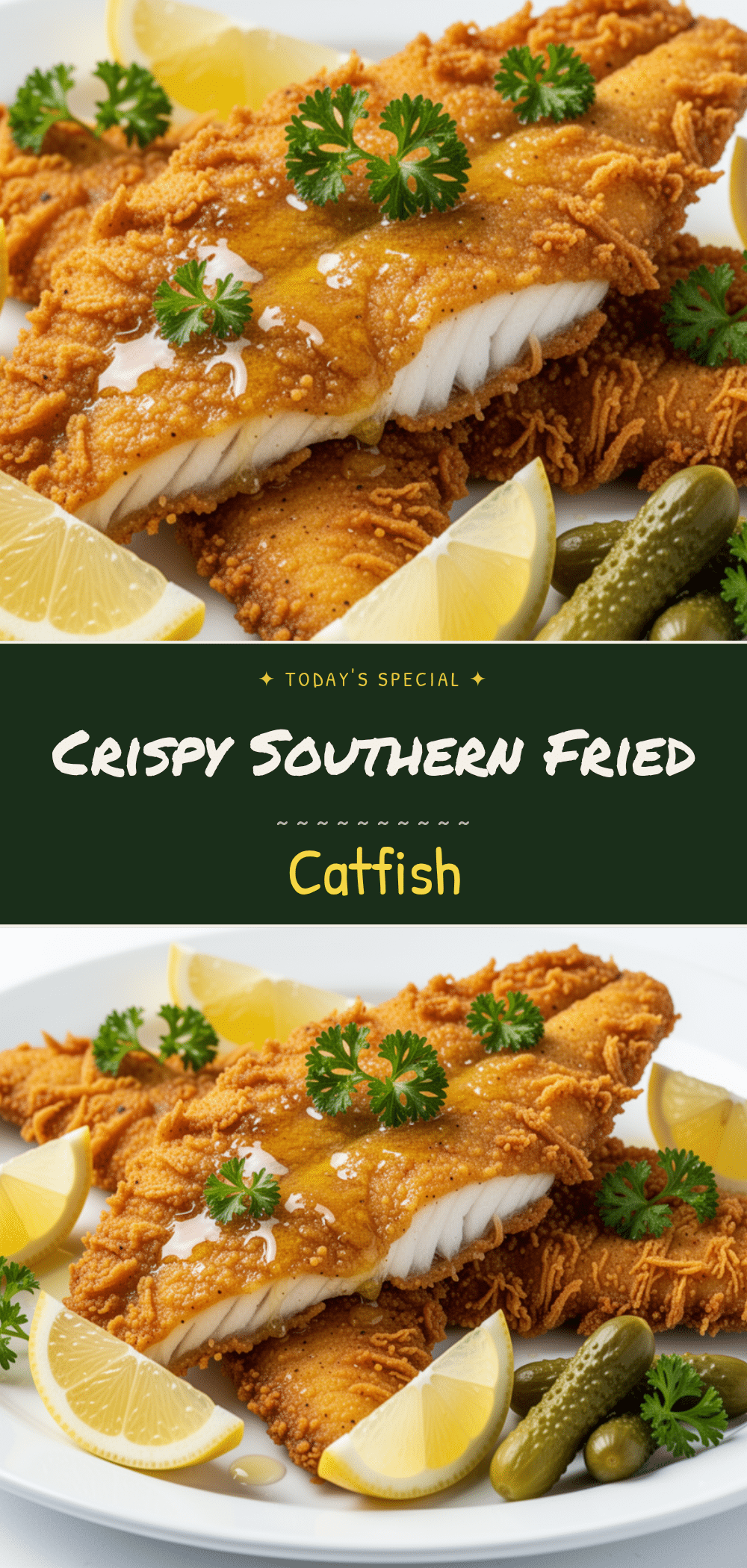
Extra-Crispy Southern Fried Catfish: Best Easy Dinner
- Total Time: 25 minutes
- Yield: 4 servings 1x
Description
A quick and easy weeknight dinner featuring farm-raised catfish fillets coated in a seasoned cornmeal and flour crust, fried to golden perfection in a cast iron skillet.
Ingredients
- 2 pounds catfish fillets
- 1 cup buttermilk
- 2 large eggs
- 1 cup yellow cornmeal (medium grind)
- 1 cup all-purpose flour
- 1 tablespoon smoked paprika
- 1 teaspoon garlic powder
- 1 teaspoon onion powder
- 1/2 teaspoon cayenne pepper
- 1 teaspoon Old Bay seasoning
- 1 teaspoon salt
- 1/2 teaspoon black pepper
- 2–3 cups vegetable oil (or canola/peanut oil)
Instructions
- Pat catfish fillets completely dry with paper towels. If fillets are large, cut them in half. Season lightly with salt and pepper.
- In a wide shallow bowl, whisk together the buttermilk and beaten eggs.
- In a second wide shallow bowl, whisk together the cornmeal, flour, smoked paprika, garlic powder, onion powder, cayenne pepper, Old Bay seasoning, salt, and black pepper.
- Pour about an inch of vegetable oil into a 12-inch cast iron skillet. Heat over medium-high heat until the oil reaches 350°F (175°C).
- Dip a fillet into the buttermilk mixture, coating completely. Let excess drip off.
- Press the fillet firmly into the cornmeal mixture to create a thick, even coat. Shake off excess.
- Carefully lower the fillet into the hot oil. Do not overcrowd the pan; fry in batches if necessary.
- Fry for 4 minutes on the first side until golden brown and the crust releases easily. Flip gently with tongs.
- Fry for another 3-4 minutes until the second side is golden and the fish is opaque and flakes easily with a fork.
- Remove fish from oil and place on a wire rack set over a baking sheet. Sprinkle with a tiny bit of extra salt while hot.
- Let rest for 2 minutes before serving.
Notes
Ensure fish is completely dry before breading to prevent soggy crust. Maintain oil temperature between 325°F and 375°F. Do not use olive oil as it burns easily. For a gluten-free version, substitute all-purpose flour with rice or almond flour. Leftovers can be reheated in an oven or air fryer to restore crispiness.
- Prep Time: 15 minutes
- Cook Time: 10 minutes
- Category: Main Course
- Cuisine: Southern
Nutrition
- Serving Size: 1 fillet
- Calories: 450
- Sodium: 600
- Fat: 22
- Carbohydrates: 25
- Protein: 35
Keywords: fried catfish, southern fried fish, easy dinner, weeknight meals, cast iron skillet, crispy fish, catfish recipe


