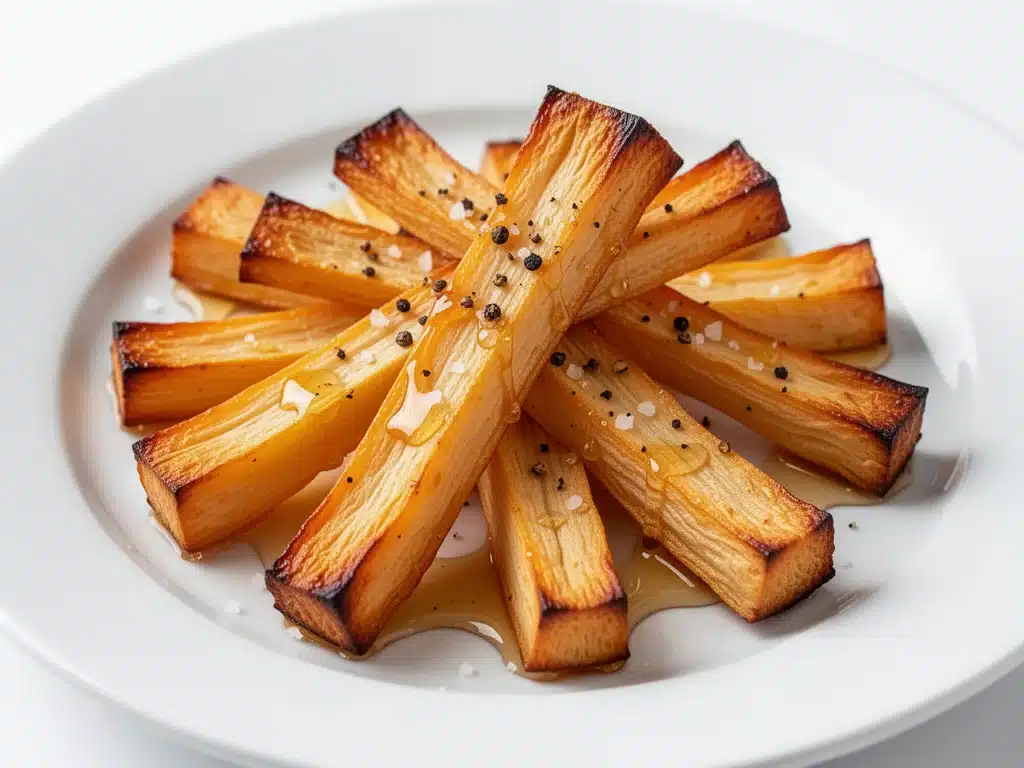
I have a confession to make: I used to be a root vegetable snob. If it wasn’t a potato, I didn’t want it on my plate. But then, about five years ago, I moved into a house with a tiny, drafty kitchen and a CSA box that arrived every Thursday with more parsnips than I knew what to do with. They were ugly, knobby, and looked like they’d been through a war. I was ready to compost them. Instead, I roasted a handful with honey and butter, expecting a disappointment. What I got was the best thing I’d ever eaten. Sweet, earthy, caramelized, and somehow completely different from anything else in the vegetable aisle.
That bag of ugly roots changed my perspective on side dishes forever. These honey glazed roasted parsnips are no longer just a “vegetable option.” They are the star of the show. I make them for Thanksgiving, for Sunday night dinners, and even when I just need something warm and comforting on a random Tuesday. They’re sweet but savory, crispy on the edges, and tender in the middle. And the best part? You really only need a handful of ingredients to make them perfect.
I’ve tested this recipe dozens of times—sometimes with maple syrup, sometimes with brown sugar, sometimes with just olive oil. But the honey version? It’s the winner. It caramelizes beautifully without burning, and it pairs perfectly with the natural earthiness of the parsnip. If you’re skeptical about parsnips, I promise you’ll change your mind after one bite. This is the kind of side dish that gets eaten before the main course even hits the table.
Why You’ll Love This Recipe
There are a lot of roasted vegetable recipes out there, but this honey glazed roasted parsnips method stands out for reasons that go beyond just taste. Here’s why this has become my go-to side dish, and why I think you’ll love it too:
- Actually Sweet, Not Candy-Like — A lot of “glazed” veggies end up tasting like dessert. These don’t. The honey balances the natural earthiness of the parsnip, creating a complex flavor that’s sweet but still feels like a proper savory dish. It’s sophisticated without being fussy.
- Zero Fuss, Maximum Flavor — You chop, you toss, you roast. That’s it. No blanching, no searing, no complicated sauces. I’ve made this while helping my kids with homework, and it works every time. It’s the definition of low-effort, high-reward cooking.
- Perfect for Meal Prep — Unlike green beans that turn to mush, parsnips hold up well in the fridge. They actually taste amazing cold or room temperature, which makes them perfect for lunch boxes or potlucks. I’ve packed these for work lunches more times than I can count.
- Budget-Friendly — Parsnips are often cheaper than other specialty vegetables, especially if you buy them in bulk or at local farmers’ markets. You can get a huge bag for the price of one fancy asparagus bundle, and it feeds the whole family.
- Kid-Approved — My picky eater son, who usually pushes vegetables to the side of his plate, asks for these specifically. The honey glaze is a game-changer for getting kids to eat root vegetables. It’s a sneaky way to add fiber and vitamins to their diet without the fight.
This recipe is my answer to “what’s for dinner?” when I’m tired. It’s reliable, delicious, and makes your kitchen smell incredible. Plus, it’s a great way to use up those knobby roots that look intimidating but are actually super simple to prepare.
Ingredients You’ll Need
One of the reasons I love this honey glazed roasted parsnips recipe is how few ingredients you need. You probably have most of this already in your pantry. Here’s what you’ll need, along with my honest thoughts on each component:
The Stars of the Show
Parsnips (2 pounds / 900g) — Look for medium-sized parsnips that are firm and smooth-skinned. Avoid ones that are woody, cracked, or have black spots. Fresh parsnips are sweet and tender; old ones are tough and bland. If you can’t find fresh, frozen peeled parsnips work in a pinch, but fresh is always better for roasting.
The Glaze
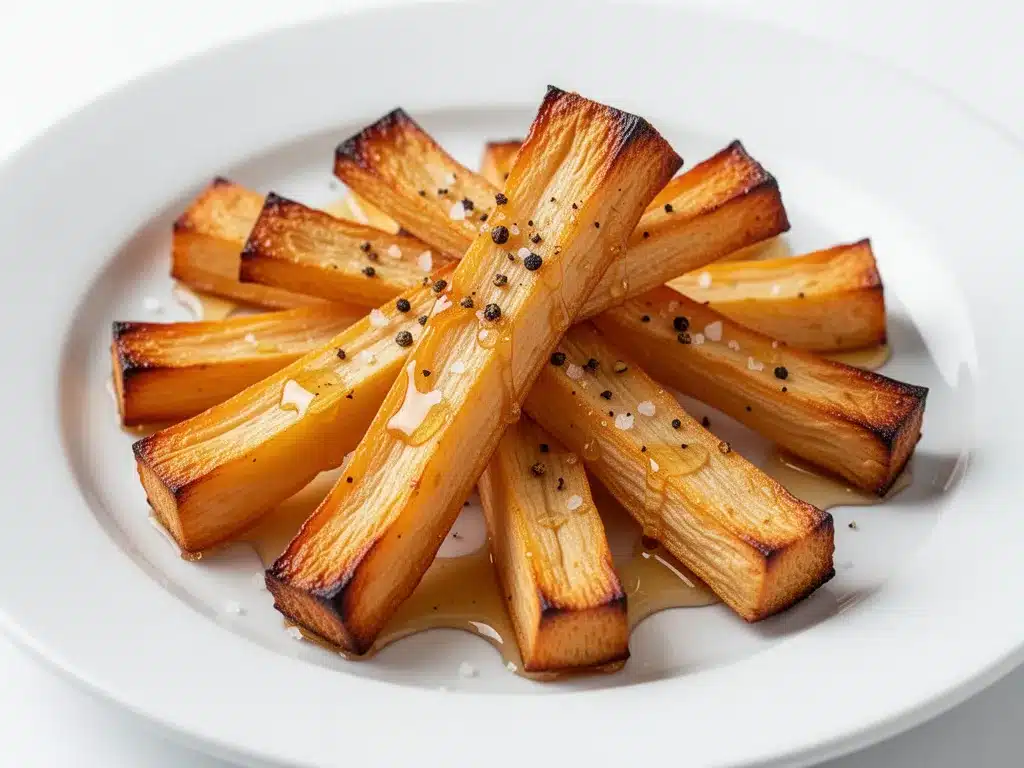
Honey (3 tablespoons / 45ml) — Use a good quality honey. Clover or wildflower honey works beautifully because it has a mild floral note that doesn’t overpower the parsnip. Avoid strong buckwheat honey unless you like a very bold flavor. This is the main sweetener, so don’t skimp.
Butter (2 tablespoons / 30g) — Unsalted butter adds richness and helps the honey caramelize. It also gives that velvety mouthfeel that oil alone can’t provide. Melted is fine, but I like to toss them in just before roasting so the butter browns slightly.
Maple Syrup (1 tablespoon / 15ml) — Optional, but I highly recommend it. A little maple syrup adds depth and prevents the honey from becoming too one-dimensional. It’s a secret weapon for complex flavor.
The Seasoning
Olive Oil (1 tablespoon / 15ml) — Just a little bit to help conduct heat and prevent sticking. You don’t need much because the butter and honey provide plenty of fat.
Salt (1 teaspoon / 6g) — Kosher salt is best because it’s easier to control. If you use table salt, reduce the amount slightly. You want the salt to enhance the sweetness, not make it taste like a pretzel.
Black Pepper (½ teaspoon / 1g) — Freshly cracked black pepper adds a nice heat that balances the sweetness. Don’t skip it.
Thyme (1 teaspoon dried / 1 tablespoon fresh) — Thyme is the classic pairing for parsnips. It adds an earthy, herbal note that cuts through the richness. If you don’t have thyme, rosemary works too, but thyme is my favorite.
Garlic Powder (½ teaspoon / 1g) — I use garlic powder instead of fresh garlic here because fresh garlic can burn in the oven. Powder gives you that garlic flavor without the risk of bitter, charred bits. It’s a small detail, but it makes a big difference.
Optional Add-Ins
Maple Glazed Carrots — If you have extra carrots, toss them in with the parsnips. They roast at the same temperature and add color.
Pomegranate Seeds — Sprinkle these on top after roasting for a burst of tartness and crunch. It looks fancy and tastes amazing.
Feta Cheese — Crumbled feta adds a salty, tangy contrast that pairs wonderfully with the sweet glaze. It’s a great addition for a Mediterranean twist.
Equipment Needed
You don’t need any fancy gadgets for this honey glazed roasted parsnips recipe. Here’s what I actually use in my kitchen:
- Large Rimmed Baking Sheet — I use a half-sheet pan (18×13 inches). Make sure it has a rim so the honey doesn’t drip into your oven. Line it with parchment paper for easy cleanup, though it’s not strictly necessary.
- Sharp Chef’s Knife — Parsnips can be dense, so a sharp knife makes chopping much easier and safer. A dull knife will slip and make the job frustrating.
- Large Mixing Bowl — Use this to toss the parsnips with the glaze. A bowl is better than tossing them directly on the pan because it ensures even coating.
- Pastry Brush — Optional, but helpful if you want to brush on extra glaze halfway through roasting. I usually just toss them, though.
- Measuring Spoons — Standard stuff. I keep a set on my counter for quick access.
That’s it. No special tools required. If you have a baking sheet and a knife, you’re good to go.
How to Make It: Step-by-Step
Alright, let’s get roasting! This honey glazed roasted parsnips recipe is straightforward, but there are a few tricks to ensure they come out perfectly caramelized and tender, not soggy or burnt. Here’s exactly how I do it:
Step 1: Prep the Parsnips (10 minutes)
Peel the parsnips. I know, peeling can be tedious, but it’s worth it. The skin can be tough and bitter. Use a vegetable peeler and go from top to bottom. Trim off the top and bottom ends. If the parsnips are large, cut them in half lengthwise, then into 1-inch thick coins or batons. Try to keep them roughly the same size so they cook evenly. Smaller pieces will burn; larger pieces will be undercooked.
Step 2: Make the Glaze (2 minutes)
In a large bowl, whisk together the melted butter, honey, maple syrup, olive oil, salt, pepper, thyme, and garlic powder. You want a smooth, uniform mixture. If the honey is too thick, microwave it for 10 seconds to loosen it up. It should be pourable but not runny.
Step 3: Toss the Parsnips (2 minutes)
Add the chopped parsnips to the bowl with the glaze. Toss them gently but thoroughly until every piece is coated. You want a thin, even layer of glaze on each piece. If some pieces are bare, add a tiny bit more oil. Don’t overload the bowl—if you have a lot of parsnips, do it in two batches. Crowding causes steaming, not roasting.
Step 4: Arrange on the Pan (1 minute)
Line your baking sheet with parchment paper. Spread the parsnips in a single layer. This is crucial. If they’re touching or piled on top of each other, they’ll steam and become soggy. Give them space! I usually use two pans if I’m making a large batch. They should look like they’re dancing, not hugging.
Step 5: Roast (25-30 minutes)
Preheat your oven to 400°F (200°C). Place the pan in the middle rack. Roast for 25-30 minutes, flipping halfway through. You’re looking for golden brown edges and tender centers. A fork should slide in easily. If they’re not browned enough, broil for the last 1-2 minutes, but watch them like a hawk—honey burns fast!
Step 6: Serve
Remove from the oven and let them cool for 2 minutes. The glaze will thicken slightly as it cools. Taste and add a pinch more salt if needed. Serve immediately while hot and crispy.
Expert Tips & Tricks
After making this honey glazed roasted parsnips recipe countless times, I’ve learned a few lessons that save time and guarantee success. Here’s my secret sauce:
- Don’t Skip the Peeling — I know it’s extra work, but the skin of older parsnips is tough and woody. Peeling ensures a tender bite throughout. If the parsnips are very young and small, you can skip peeling, but most grocery store parsnips need it.
- Uniform Cuts Are Key — If you cut some pieces too small, they’ll burn before the big ones are tender. Take the time to make them even. It’s worth the extra minute.
- Space Out the Parsnips — This is the #1 mistake people make. Crowded pans = steamed vegetables. Give them room to breathe. If you need two pans, use two pans. Your taste buds will thank you.
- Watch the Broiler — Honey burns at high heat. If you’re broiling to get that final char, keep the door open and watch them. They can go from perfect to charcoal in 30 seconds.
- Use Fresh Thyme if You Have It — Dried thyme is fine, but fresh thyme adds a brighter, more aromatic flavor. Just strip the leaves off the stems before adding.
- Save the Parsnip Tops — Don’t throw away the leafy tops! They’re edible and taste like a mild parsley. Chop them up and use them as a garnish or add them to soups.
These tips might seem small, but they make the difference between “meh” and “wow.” I’ve learned them the hard way, so you don’t have to.
Variations & Substitutions
Once you’ve mastered the basic honey glazed roasted parsnips, here are some fun ways to mix it up. I’ve tried all of these, and they’re all delicious:
- Maple Glazed Version — Swap the honey for pure maple syrup. It’s less sweet and has a deeper, woodsy flavor. Great for a more rustic taste.
- Spicy Kick — Add ½ teaspoon of cayenne pepper or red pepper flakes to the glaze. The heat contrasts beautifully with the sweetness. My husband loves this version.
- Herb-Infused — Swap thyme for rosemary or sage. Rosemary is very piney and strong, so use less. Sage adds a savory, earthy note that’s perfect for fall.
- Orange Zest — Add the zest of one orange to the glaze. It adds a bright, citrusy aroma that lifts the heaviness of the roasted vegetables. It’s surprisingly refreshing.
- Nutty Crunch — Sprinkle toasted pecans or walnuts on top after roasting. The nuts add crunch and richness. It’s a great texture contrast.
- Vegan Version — Swap butter for olive oil or vegan butter. The rest of the recipe is already vegan. Just make sure your honey substitute is vegan-friendly (maple syrup or agave work well).
These variations let you customize the dish to your taste or what you have on hand. Cooking should be flexible, not rigid.
Serving & Storage
This honey glazed roasted parsnips recipe is versatile and easy to store. Here’s how to enjoy and preserve it:
How to Serve
I usually serve these straight from the pan at the dinner table. They look rustic and inviting. Great pairings include:
- Roast Chicken — The classic combo. The sweetness complements the savory chicken.
- Grilled Salmon — The earthiness of the parsnips balances the rich fish.
- Steak — A hearty side for a heavy main course.
- Pork Chops — Pork and parsnips are natural partners. The sweetness mirrors the glaze often used on pork.
Storage Instructions
Refrigerator: Store leftovers in an airtight container for up to 3 days. They’ll keep well, though they’ll lose some crispiness.
Reheating: Reheat in a 375°F oven for 10-15 minutes to restore crispiness. Microwaving works but makes them soft. If you microwave, do it in short bursts and let them sit to dry out slightly.
Freezing: I don’t recommend freezing these. The texture changes significantly, and they become mushy when thawed. Better to make them fresh.
Meal Prep: Roast them on Sunday and store in the fridge. Reheat for lunch or dinner during the week. They’re great cold too, which is a nice change of pace.
Nutrition Information
I’m not a nutritionist, but here’s a rough breakdown if you’re tracking. Per serving (based on 6 servings):
- Calories: 120
- Protein: 1g
- Carbs: 22g
- Fiber: 4g
- Sugar: 10g
- Fat: 4g
- Sodium: 250mg
These are naturally gluten-free and vegetarian. They’re a good source of fiber and vitamin C. The honey adds sugar, so keep an eye on portions if you’re watching your intake. But honestly? They’re worth it. They’re a healthy way to enjoy something sweet.
Final Thoughts
So there you have it—my favorite way to eat parsnips! I know I’ve raved about them a bit, but once you try these honey glazed roasted parsnips, you’ll understand. They’re sweet, savory, crispy, and tender all at once. They’re the kind of dish that makes you forget you’re eating vegetables.
Make them your own! Add spices, swap herbs, or top with cheese. The best recipes are the ones you adapt to your family’s tastes. If you make this, drop a comment and let me know what you think. I love hearing how recipes turn out in your kitchen. And if something doesn’t work, tell me—I’m here to help troubleshoot.
Happy cooking! I hope your kitchen smells half as good as mine does right now.
Frequently Asked Questions
Can I use frozen parsnips?
You can, but fresh is always better. Frozen parsnips are usually par-cooked, so they’ll cook faster and might be softer. If you use frozen, reduce the roasting time by 5-10 minutes and pat them dry before tossing with the glaze to prevent steaming.
Why did my parsnips burn?
Honey burns easily at high heat. If your parsnips burned, it’s likely because they were too close to the heating element or you broiled them for too long. Keep an eye on them in the last 5 minutes of cooking. If they’re browning too fast, cover them loosely with foil.
Can I make this ahead of time?
You can prep the parsnips and glaze ahead of time. Chop the parsnips and store them in water in the fridge for up to 24 hours. Drain and dry before tossing with the glaze. Roast them just before serving for the best texture.
What if I don’t have honey?
Maple syrup is the best substitute. It has a similar viscosity and sweetness. Agave nectar also works, but it’s sweeter, so use a little less. Brown sugar mixed with a little water can work too, but it might be grainy.
How do I know when parsnips are done?
Pierce a piece with a fork. If it slides in easily with no resistance, they’re done. They should also be golden brown on the edges. If they’re still hard in the middle, roast for another 5 minutes.
Can I add other vegetables?
Absolutely! Carrots, sweet potatoes, and beets all roast well with parsnips. Just keep in mind that different vegetables have different cooking times. Add harder veggies like carrots first, then add parsnips halfway through if needed.
Is this recipe gluten-free?
Yes, this recipe is naturally gluten-free. Just make sure your honey and other ingredients are certified gluten-free if you have celiac disease or a severe sensitivity.
Pin This Recipe!
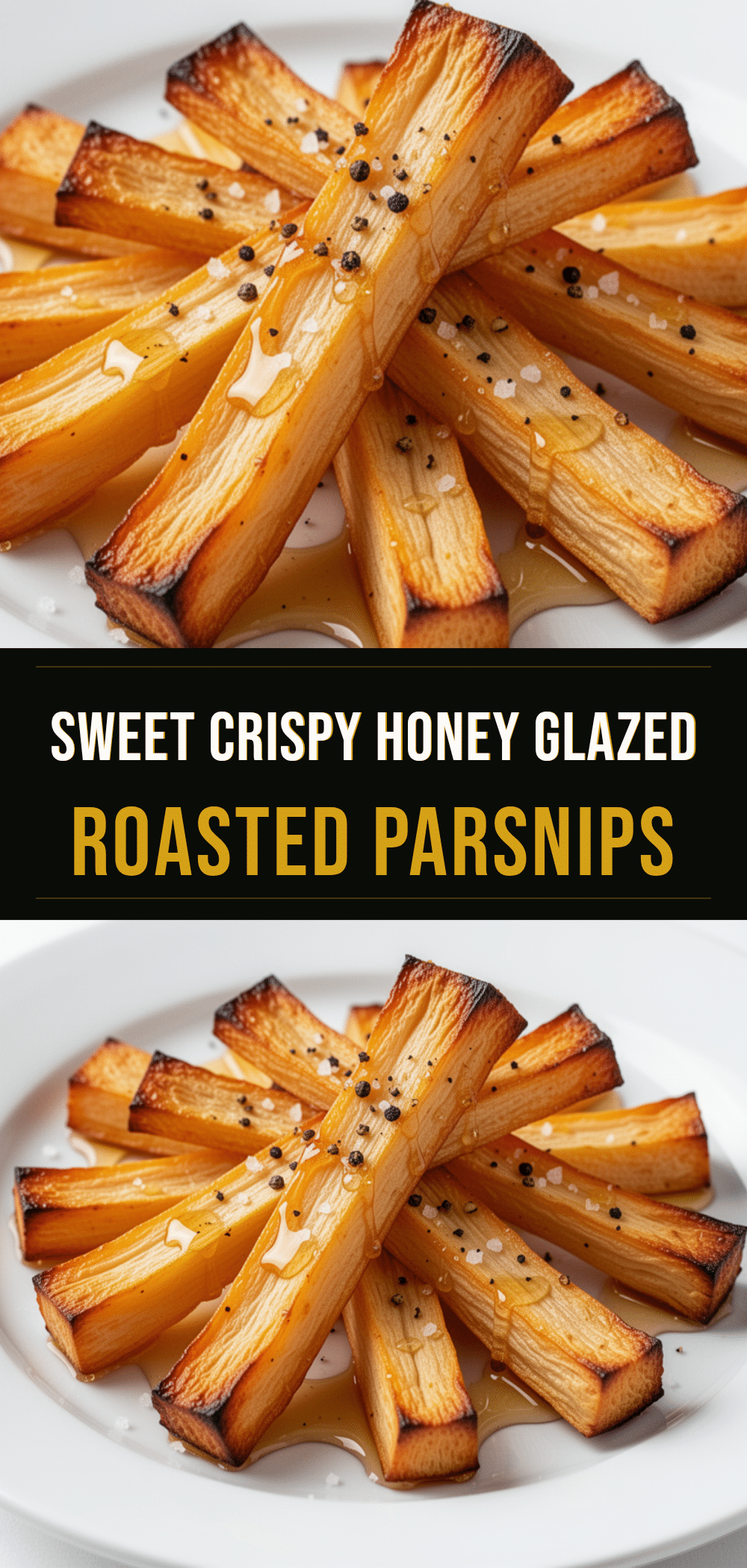
Honey Glazed Roasted Parsnips
- Total Time: 35-40 minutes
- Yield: 6 servings 1x
Description
Sweet, earthy, and caramelized roasted parsnips glazed with honey, butter, and maple syrup. This easy side dish is crispy on the edges, tender in the middle, and perfect for any meal.
Ingredients
- 2 pounds parsnips, peeled and cut into 1-inch coins or batons
- 3 tablespoons honey
- 2 tablespoons unsalted butter, melted
- 1 tablespoon maple syrup
- 1 tablespoon olive oil
- 1 teaspoon kosher salt
- 1/2 teaspoon freshly cracked black pepper
- 1 teaspoon dried thyme (or 1 tablespoon fresh thyme leaves)
- 1/2 teaspoon garlic powder
Instructions
- Preheat oven to 400°F (200°C). Line a large rimmed baking sheet with parchment paper.
- In a large mixing bowl, whisk together the melted butter, honey, maple syrup, olive oil, salt, pepper, thyme, and garlic powder until smooth.
- Add the chopped parsnips to the bowl and toss gently but thoroughly until every piece is evenly coated in the glaze.
- Spread the parsnips in a single layer on the prepared baking sheet, ensuring they are not touching to allow for proper roasting.
- Roast for 25-30 minutes, flipping the parsnips halfway through, until they are golden brown on the edges and tender when pierced with a fork.
- Optional: Broil for the last 1-2 minutes for extra caramelization, watching closely to prevent burning.
- Remove from oven and let cool for 2 minutes before serving.
Notes
Ensure parsnips are cut into uniform sizes for even cooking. Do not crowd the pan, as this will cause steaming instead of roasting. If using frozen parsnips, reduce roasting time by 5-10 minutes and pat dry before tossing with glaze. The recipe can be made vegan by substituting butter with olive oil or vegan butter.
- Prep Time: 10 minutes
- Cook Time: 25-30 minutes
- Category: Side Dish
- Cuisine: American
Nutrition
- Serving Size: Approximately 1/6 of
- Calories: 120
- Sugar: 10
- Sodium: 250
- Fat: 4
- Saturated Fat: 2
- Carbohydrates: 22
- Fiber: 4
- Protein: 1
Keywords: roasted parsnips, honey glazed parsnips, side dish, vegetarian, gluten-free, easy vegetables, Thanksgiving side dish, root vegetables


